Blog

Tips for Buying Shoes

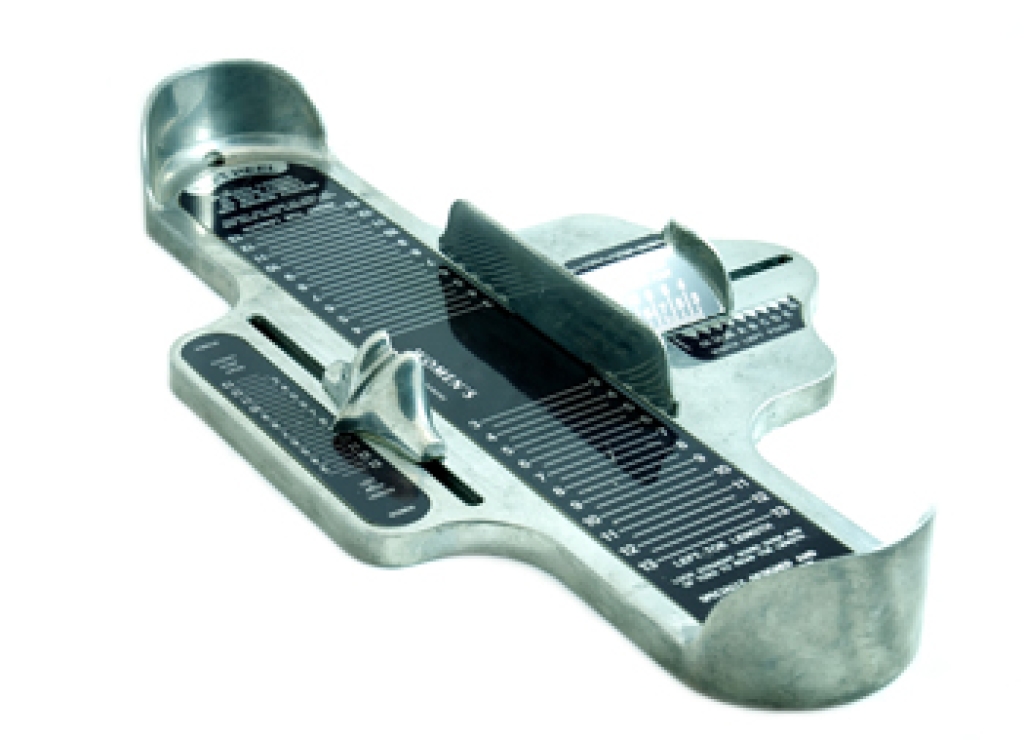
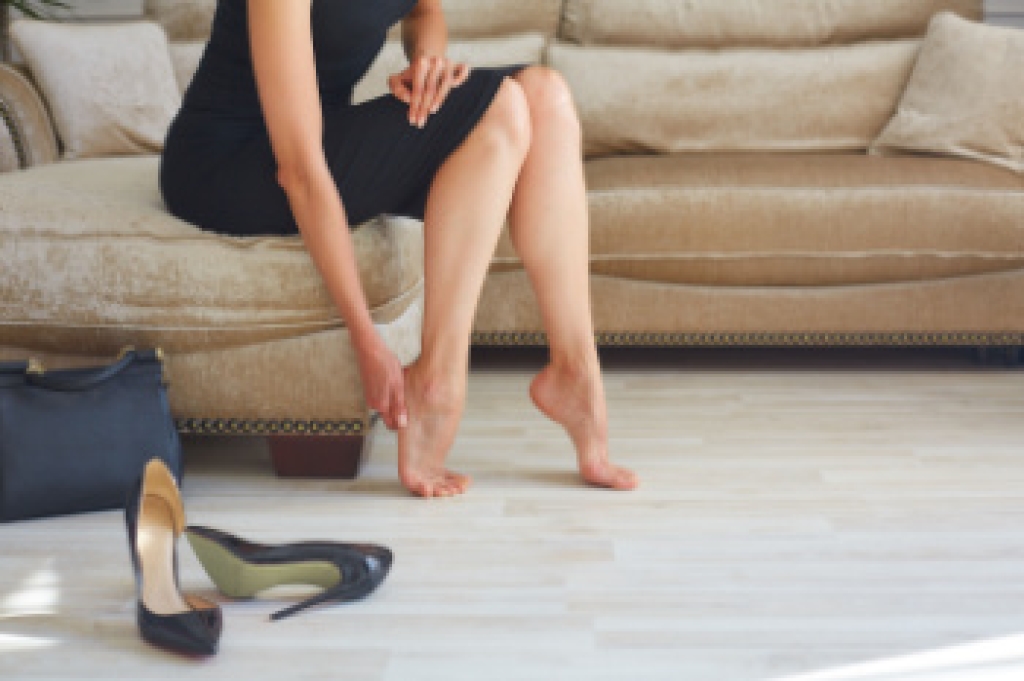
Wearing shoes that fit correctly may help prevent unwanted foot conditions from developing. Bunions, ingrown toenails, and hammertoe may all occur from wearing shoes that do not fit properly. Choosing the correct shoe size begins with measuring the feet. This can be done by using a Brannock device which is found in the majority of shoe stores. Conversely, some people prefer to measure their feet at home. To measure your feet at home, stand barefoot on a piece of paper and trace the width and length of the feet. A conversion table is used to determine what the size is. It is beneficial to purchase shoes at the end of the day when the feet are at their largest, in addition to trying on the shoes and walking around in the store. If you are interested in learning more about how to buy shoes that fit correctly, it is suggested that you consult with a podiatrist who can provide you with helpful information.

Finding a properly-fitting shoe is important in reducing injuries and preventing foot problems. For more information about treatment, contact Dr. Kirk Sherris from Liberty Bay Foot & Ankle. Our doctor will treat your foot and ankle needs.

Proper Shoe Fitting

A common concern when it comes to foot health, having properly fitted shoes can help prevent injuries to the foot. Out feet affect our posture and gait, which in turn affects the biomechanics and overall bodily structure. With 33 joints, 26 bones, and over 100 ligaments, the potential for serious injury is much greater than one realizes. Although the feet cease growth in adulthood, they still change shape as they mature. Here are some factors to consider when it comes to investing in proper fitting shoes:

  • Be sure the shoes fit correctly right away
  • Ensure the ball of your foot fits comfortably in the widest portion of the shoes
  • Even though they may look fashionable, improper fitting shoes can either create adverse conditions or exacerbate existing ones you may already have
  • Walk along a carpeted surface to ensure the shoes comfortably fit during normal activity

Keeping in mind how shoes fit the biomechanics of your body, properly-fitting shoes are vitally important. Fortunately, it is not difficult to acquire footwear that fits correctly. Be sure to wear shoes that support the overall structure of your body. Do your feet a favor and invest in several pairs of well-fitted shoes today.

If you have any questions, please feel free to contact our offices located in Poulsbo and Port Townsend, WA . We offer the newest diagnostic and treatment technologies for all your foot care needs.

Read more about Getting the Right Shoe Size

Balance Issues and Foot Injuries From Falling

Falls in seniors can affect mobility, independence, and overall quality of life. Many falls are linked to gait and balance disorders. These may be caused by underlying medical conditions, such as arthritis, neurological disorders, or vision problems. As the body ages, muscle strength and coordination can decline, making it more difficult to maintain stability during daily activities.

Symptoms related to fall risk often include unsteady walking, weakness in the legs, and difficulty maintaining balance. Seniors may feel unsure when standing or turning, and they may rely more on support from walls or furniture. Foot and ankle discomfort can also contribute to instability, especially if pain limits proper movement. Recognizing these warning signs early can help reduce the likelihood of a fall and prevent serious injury.


The causes of falls in seniors are often complex. Gait and balance disorders can result from chronic conditions that affect the muscles, joints, or nervous system. Wearing poor footwear, uneven surfaces, and inadequate lighting can further increase the risk. Falls can lead to foot and ankle injuries, such as fractures, sprains, or soft tissue damage, which may take longer to heal in older adults. These injuries can reduce mobility and contribute to a cycle of decreased activity and increased fall risk.


Risk factors for falls include advanced age, reduced muscle strength, and certain medications that affect coordination or alertness. A history of previous falls also increases the likelihood of future incidents. Maintaining proper foot health, wearing supportive shoes, and addressing balance concerns can help improve stability. If you have incurred foot and ankle injuries from falling, it is suggested that you consult a podiatrist for effective relief tips, treatment solutions, and guidance on how to prevent falling. 

Preventing falls among the elderly is very important. If you are older and have fallen or fear that you are prone to falling, consult with Dr. Kirk Sherris from Liberty Bay Foot & Ankle. Our doctor will assess your condition and provide you with quality advice and care.

Every 11 seconds, an elderly American is being treated in an emergency room for a fall related injury. Falls are the leading cause of head and hip injuries for those 65 and older. Due to decreases in strength, balance, senses, and lack of awareness, elderly persons are very susceptible to falling. Thankfully, there are a number of things older persons can do to prevent falls.

How to Prevent Falls

Some effective methods that older persons can do to prevent falls include:

  • Enrolling in strength and balance exercise program to increase balance and strength
  • Periodically having your sight and hearing checked
  • Discuss any medications you have with a doctor to see if it increases the risk of falling
  • Clearing the house of falling hazards and installing devices like grab bars and railings
  • Utilizing a walker or cane
  • Wearing shoes that provide good support and cushioning
  • Talking to family members about falling and increasing awareness

Falling can be a traumatic and embarrassing experience for elderly persons; this can make them less willing to leave the house, and less willing to talk to someone about their fears of falling. Doing such things, however, will increase the likelihood of tripping or losing one’s balance. Knowing the causes of falling and how to prevent them is the best way to mitigate the risk of serious injury.  

If you have any questions, please feel free to contact our offices located in Poulsbo and Port Townsend, WA . We offer the newest diagnostic and treatment technologies for all your foot care needs.
Read more about Falls Prevention

High Heels and Common Foot Problems

Foot problems caused by wearing high heels are a frequent concern, especially among people who wear them daily for work or social settings. High heels shift body weight forward, placing excessive pressure on the forefoot and toes. This unnatural position can lead to structural changes over time. Common conditions linked to high heel use include hammertoe and neuromas, both of which develop from repeated stress and compression. The altered foot position can also affect posture and disrupt natural walking patterns.


Symptoms often begin with mild discomfort, but can progress to more serious issues. Individuals may notice pain in the ball of the foot, swelling, redness, and burning sensations. Numbness may develop due to nerve irritation, especially in cases of neuroma. Hammertoe can cause visible bending of the toe joints, leading to friction and irritation in shoes. High heels also limit the power and motion of the ankle joint, reducing flexibility and increasing strain on surrounding muscles and tendons.


Risk factors include frequent use of wearing narrow or high-heeled shoes, prolonged standing, and poor foot support. Individuals with certain foot structures, such as high arches or imbalanced gait, may be more prone to developing complications. The instability created by elevated heels can increase the risk of falls and ankle injuries. Over time, these factors contribute to long term damage and discomfort if not addressed early.


Preventing foot problems begins with choosing supportive footwear and limiting the duration of high heel use. Stretching exercises and proper foot care can help maintain flexibility and reduce strain. Alternating shoe types and ensuring a proper fit can also improve comfort and alignment. If you have persistent foot or ankle pain from wearing high heels, it is suggested that you consult a podiatrist for effective relief tips and guidance on choosing more appropriate footwear.

High heels have a history of causing foot and ankle problems. If you have any concerns about your feet or ankles, contact Dr. Kirk Sherris from Liberty Bay Foot & Ankle. Our doctor can provide the care you need to keep you pain-free and on your feet.

Effects of High Heels on the Feet

High heels are popular shoes among women because of their many styles and societal appeal.  Despite this, high heels can still cause many health problems if worn too frequently.

Which Parts of My Body Will Be Affected by High Heels?

  • Ankle Joints
  • Achilles Tendon – May shorten and stiffen with prolonged wear
  • Balls of the Feet
  • Knees – Heels cause the knees to bend constantly, creating stress on them
  • Back – They decrease the spine’s ability to absorb shock, which may lead to back pain.  The vertebrae of the lower back may compress.

What Kinds of Foot Problems Can Develop from Wearing High Heels?

  • Corns
  • Calluses
  • Hammertoe
  • Bunions
  • Morton’s Neuroma
  • Plantar Fasciitis

How Can I Still Wear High Heels and Maintain Foot Health?

If you want to wear high heeled shoes, make sure that you are not wearing them every day, as this will help prevent long term physical problems.  Try wearing thicker heels as opposed to stilettos to distribute weight more evenly across the feet.  Always make sure you are wearing the proper shoes for the right occasion, such as sneakers for exercising.  If you walk to work, try carrying your heels with you and changing into them once you arrive at work.  Adding inserts to your heels can help cushion your feet and absorb shock. Full foot inserts or metatarsal pads are available. 

If you have any questions, please feel free to contact our offices located in Poulsbo and Port Townsend, WA . We offer the newest diagnostic and treatment technologies for all your foot care needs.
Read more about Why High Heels Are Not Ideal for Healthy Feet

Plantar Warts Can Be Treated!

Plantar warts are small growths that develop on parts of the feet that bear weight. They're typically found on the bottom of the foot. Don't live with plantar warts, and call us today!

Children’s Foot Health and Gait Development

A child's gait, or walking pattern, changes as the body grows and develops. Learning to walk is only the beginning because balance, coordination, and muscle control continue to improve throughout childhood. As the feet, legs, and hips mature, children develop longer steps, better stability, and smoother movement. Every child reaches these milestones at a different pace, but healthy foot development plays an important role in normal gait. Some children walk with their toes turned inward or outward, while others walk on their toes or appear flat-footed. Many of these changes improve as children grow. Persistent pain, frequent tripping, uneven shoe wear, or difficulty keeping up with other children can indicate a problem that should be evaluated by a podiatrist.

A podiatrist carefully examines a child's gait to determine whether the feet and legs are developing properly. The evaluation includes checking foot structure, joint movement, and flexibility. The podiatrist also observes how the child walks, runs, and changes direction because each movement provides important information about balance and foot function. Watching a child move can reveal differences in stride length, foot position, or weight distribution that are not noticeable during a seated examination. Early diagnosis allows abnormal movement patterns to be identified before they place unnecessary stress on the feet, knees, or hips. Regular evaluations also help monitor changes as the child continues to grow.

Treatment is based on the child's symptoms, age, and stage of development. A podiatrist can recommend shoes that fit properly and provide good support for growing feet. Care also includes custom orthotics when they improve foot alignment and encourage a healthier walking pattern. Guided exercises can strengthen muscles, improve balance, and support normal gait development. Routine follow-up visits allow the podiatrist to monitor progress as the child's walking pattern continues to mature. If your child has symptoms of foot pain or concerns about gait development, it is suggested that you schedule an appointment with a podiatrist for diagnosis and treatment.

The health of a child’s feet is vital to their overall well-being. If you have any questions regarding foot health, contact Dr. Kirk Sherris of Liberty Bay Foot & Ankle. Our doctor can provide the care you need to keep you pain-free and on your feet.

Tips for Keeping Children's Feet Healthy

  • Make sure their shoes fit properly
  • Look for any signs of in-toeing or out-toeing
  • Check to see if they have Clubfoot (condition that affects your child’s foot and ankle, twisting the heel and toes inward) which is one of the most common nonmajor birth defects.
  • Lightly cover your baby’s feet (Tight covers may keep your baby from moving their feet freely, and could prevent normal development)
  • Allow your toddler to go shoeless (Shoes can be restricting for a young child’s foot)
  • Cut toenails straight across to avoid ingrown toenails
  • Keep your child’s foot clean and dry
  • Cover cuts and scrapes. Wash any scratches with soap and water and cover them with a bandage until they’ve healed.

If you have any questions, please feel free to contact our offices located in Poulsbo and Port Townsend, WA . We offer the newest diagnostic and treatment technologies for all your foot care needs.

Read more about What to Do to Keep Your Child’s Feet Healthy
Connect with us