Blog

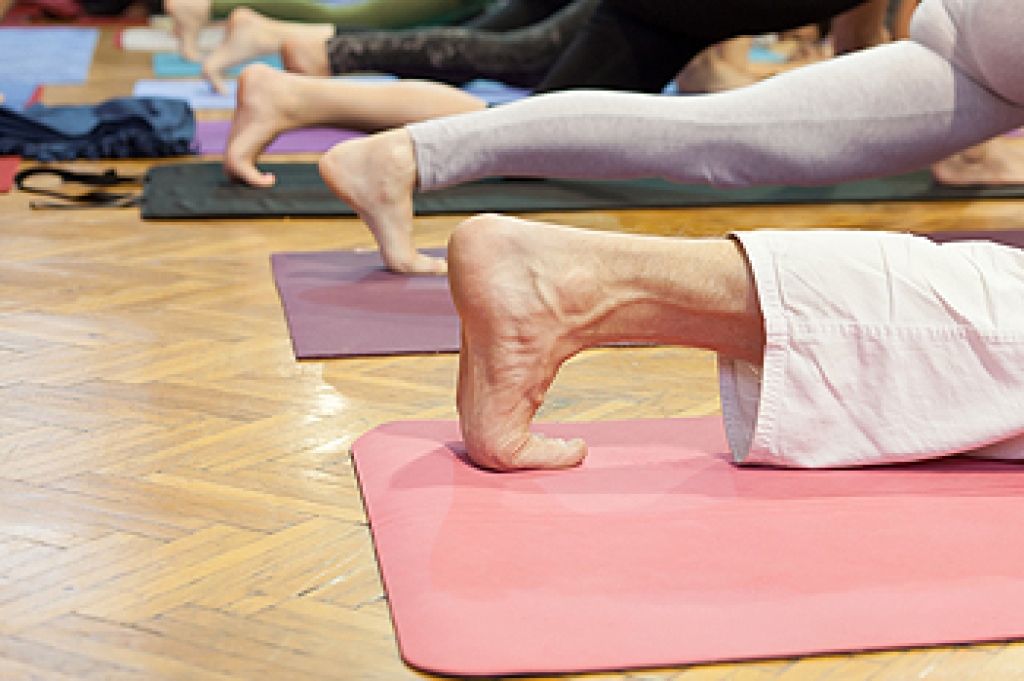
Stretching The Toes

People who are interested in achieving their best performance in athletics are often aware of the impact wearing the right shoe can have. Research has indicated sprinters, runners, and joggers have toes that are strong. The big toe is considered to be one of the most important parts of the foot, and it is used in athletic movements. This part of the foot needs to be flexible as it strikes the ground with astounding force. There are specific exercises that can improve the strength of the big toe. These can include toe curls and calf raises with emphasis on the big toe. Range of motion can be improved while standing on a tennis or golf ball, in addition to massaging the sole of the foot. If you would like more information about the benefits of stretching the feet, please consult with a podiatrist.

Why Stretching Is Important for Your Feet

Stretching the feet is a great way to prevent injuries. If you have any concerns with your feet consult with Dr. Kirk Sherris from Liberty Bay Foot & Ankle. Our doctor will assess your condition and provide you with quality foot and ankle treatment.

Stretching the Feet

Stretching the muscles in the foot is an important part in any physical activity. Feet that are tight can lead to less flexibility and make you more prone to injury. One of the most common forms of foot pain, plantar fasciitis, can be stretched out to help ease the pain. Stretching can not only ease pain from plantar fasciitis but also prevent it as well. However, it is important to see a podiatrist first to determine if stretching is right for you. Podiatrists can also recommend other ways to stretch your feet. Once you know whether stretching is right for you, here are some excellent stretches you can do.

  • Using a foam roller or any cylindrical object (a water bottle or soda can will do), roll the object under your foot back and forth. You should also exert pressure on the object. Be sure to do this to both feet for a minute. Do this exercise three times each.
  • Similar to the previous exercise, take a ball, such as a tennis ball, and roll it under your foot while seated and exert pressure on it.
  • Grab a resistance band or towel and take a seat. If you are using a towel, fold it length wise. Next put either one between the ball of your foot and heel and pull with both hands on each side towards you. Hold this for 15 seconds and then switch feet. Do this three times for each foot.
  • Finally hold your big toe while crossing one leg over the other. Pull the toe towards you and hold for 15 seconds. Once again do this three times per foot.

It is best to go easy when first stretching your foot and work your way up. If your foot starts hurting, stop exercising to ice and rest the foot. It is advised that you then see a podiatrist for help.

If you have any questions please contact our offices located in Poulsbo and Port Townsend, WA . We offer the newest diagnostic and treatment technologies for all your foot and ankle needs.
Read more about Stretching Your Feet

Types of Broken Toes

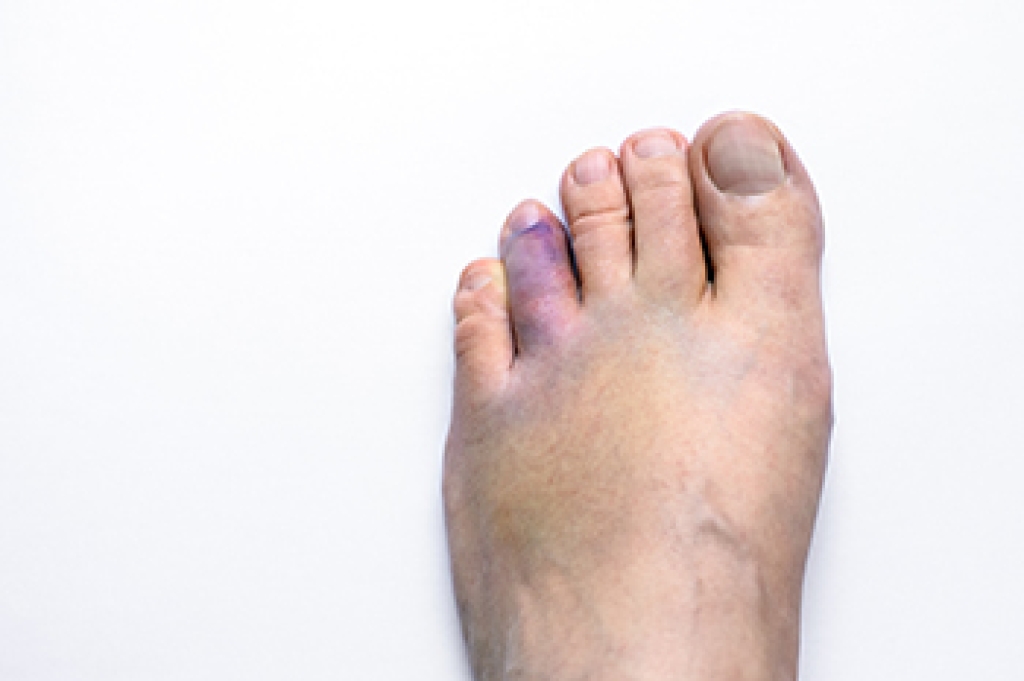
Broken toes can range from simple cracks in the bone to more severe fractures that involve joint displacement or multiple bone fragments. These injuries often result from sudden trauma, such as dropping a heavy object on the foot or forcefully striking a hard surface. Common symptoms include sharp pain, swelling, bruising, and difficulty walking, especially if pressure on the affected toe causes discomfort. A toe that appears crooked or shortened compared to its neighbors may indicate a displaced fracture or dislocation.  A podiatrist will typically perform a thorough foot exam and may use  X-rays to confirm the type and severity of the fracture. If the bone is misaligned or severely broken, surgery may be needed to restore proper toe position and prevent long-term complications. If you have broken a toe, it is suggested that you make an appointment with a podiatrist for an exam and suggested treatment options.

Broken toes may cause a lot of pain and should be treated as soon as possible. If you have any concerns about your feet, contact Dr. Kirk Sherris from Liberty Bay Foot & Ankle. Our doctor will treat your foot and ankle needs.

What Is a Broken Toe?

A broken toe occurs when one or more of the toe bones of the foot are broken after an injury. Injuries such as stubbing your toe or dropping a heavy object on it may cause a toe fracture.

Symptoms of a Broken Toe

  • Swelling
  • Pain (with/without wearing shoes)
  • Stiffness
  • Nail Injury

Although the injured toe should be monitored daily, it is especially important to have a podiatrist look at your toe if you have severe symptoms. Some of these symptoms include worsening or new pain that is not relieved with medication, sores, redness, or open wounds near the toe.

If you have any questions please feel free to contact our offices located in Poulsbo and Port Townsend, WA . We offer the newest diagnostic tools and technology to treat your foot and ankle needs.

Read more about What to Know About a Broken Toe

Early Rheumatoid Arthritis Symptoms in the Feet

Rheumatoid arthritis, or RA, is an autoimmune condition that causes the body to attack its own joints, leading to inflammation and damage. Early symptoms in the feet often include pain, stiffness, and swelling, especially in the toes and midfoot. Causes are linked to immune system dysfunction, and risk factors include genetics, family history, and female gender. These early signs can make walking uncomfortable and may affect daily activities, if left untreated. A podiatrist can assess joint health, recommend supportive footwear or custom orthotics, and provide exercises to maintain mobility. If you have any of the above symptoms,  it is suggested that you consult a podiatrist to detect whether it is from RA and to reduce discomfort while protecting long-term foot health and function.

Because RA affects more than just your joints, including the joints in your feet and ankles, it is important to seek early diagnosis from your podiatrist if you feel like the pain in your feet might be caused by RA. For more information, contact Dr. Kirk Sherris of Liberty Bay Foot & Ankle. Our doctor will assist you with all of your podiatric concerns.

What Is Rheumatoid Arthritis?

Rheumatoid Arthritis (RA) is an autoimmune disorder in which the body’s own immune system attacks the membranes surrounding the joints. Inflammation of the lining and eventually the destruction of the joint’s cartilage and bone occur, causing severe pain and immobility.

Rheumatoid Arthritis of the Feet

Although RA usually attacks multiple bones and joints throughout the entire body, almost 90 percent of cases result in pain in the foot or ankle area.

Symptoms

  • Swelling and pain in the feet
  • Stiffness in the feet
  • Pain on the ball or sole of feet
  • Joint shift and deformation

Diagnosis

Quick diagnosis of RA in the feet is important so that the podiatrist can treat the area effectively. Your doctor will ask you about your medical history, occupation, and lifestyle to determine the origin of the condition. Rheumatoid Factor tests help to determine if someone is affected by the disease.

If you have any questions, please feel free to contact our offices located in Poulsbo and Port Townsend, WA . We offer the newest diagnostic and treatment technologies for all your foot care needs.

Read more about Rheumatoid Arthritis in the Feet

Corns and Calluses on the Feet Explained

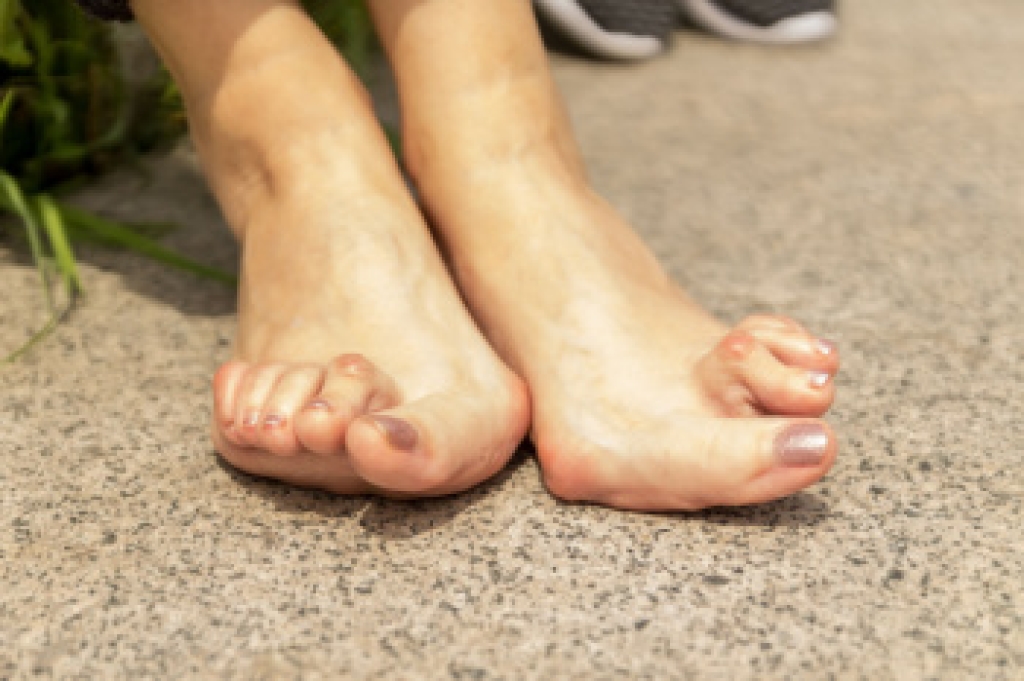
Corns and calluses are common foot problems, but they are not the same condition. A corn is a small area of thickened skin that often develops on the tops or sides of toes where friction or pressure is highest. Corns may be hard or soft, and can become painful when pressed. Calluses, on the other hand, are broader areas of thickened skin that usually form on the bottom of the foot, particularly on the heel or ball. They develop as the skin’s way of protecting itself from repeated pressure or rubbing. Wearing ill fitting shoes, foot deformities, or frequent standing and walking may contribute to both conditions. While they are often harmless, discomfort can interfere with daily activity. If you are experiencing painful corns or calluses, it is suggested that you visit a podiatrist for safe and effective treatment options.

Corns can make walking very painful and should be treated immediately. If you have questions regarding your feet and ankles, contact Dr. Kirk Sherris of Liberty Bay Foot & Ankle. Our doctor will treat your foot and ankle needs.

Corns: What Are They? And How Do You Get Rid of Them?
Corns are thickened areas on the skin that can become painful. They are caused by excessive pressure and friction on the skin. Corns press into the deeper layers of the skin and are usually round in shape.

Ways to Prevent Corns
There are many ways to get rid of painful corns such as:

  • Wearing properly fitting shoes that have been measured by a professional
  • Wearing shoes that are not sharply pointed or have high heels
  • Wearing only shoes that offer support

Treating Corns

Although most corns slowly disappear when the friction or pressure stops, this isn’t always the case. Consult with your podiatrist to determine the best treatment option for your case of corns.

If you have any questions, please feel free to contact our offices located in Poulsbo and Port Townsend, WA . We offer the newest diagnostic and treatment technologies for all your foot care needs.

Read more about Understanding Corns and Calluses

Reminder: When Was the Last Time...?

Custom orthotics, or shoe inserts, should be periodically replaced. Orthotics must fit properly to give you the best results. Protect your feet and ankles!

Connect with us