Blog

How Are Flat Feet Diagnosed?

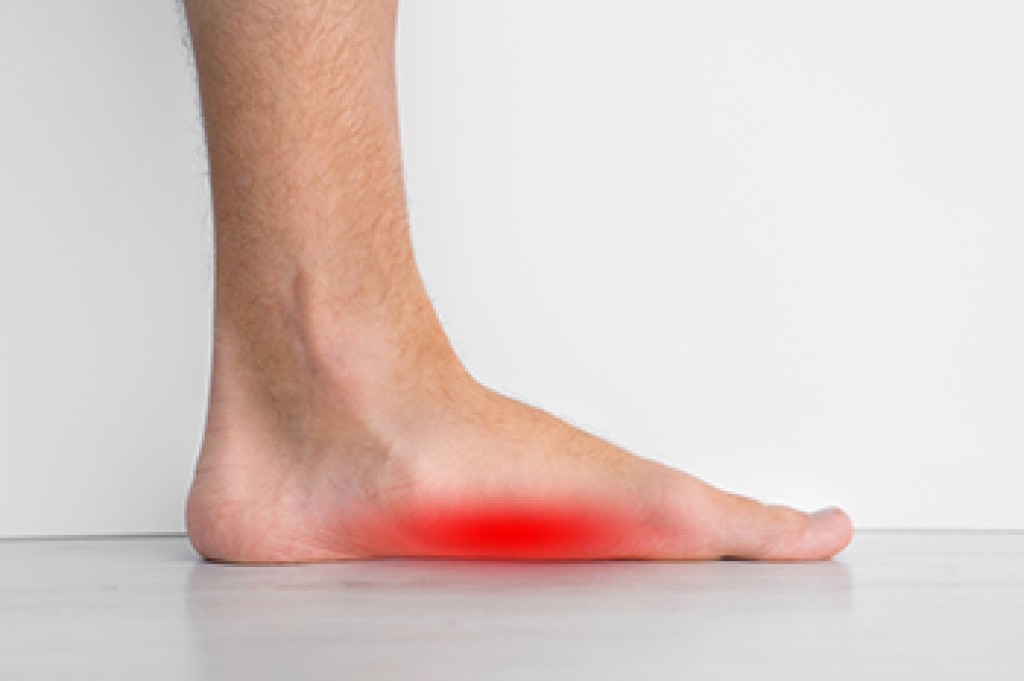
Flat feet are a type of foot structure in which the arch, usually located in the middle of the sole of the foot, is absent or is only visible when the foot is not bearing weight. Some people are born with flat feet. Others have an arch that has collapsed over time. The latter are more prone to foot pain. When diagnosing flat feet, your podiatrist will examine the feet closely while you sit or stand and hold your foot in various positions. They may also look at the insides of your shoes. People with flat feet often have more wear on the inside of the sole. For more information about flat feet, please consult with a podiatrist. 

Flatfoot is a condition many people suffer from. If you have flat feet, contact Dr. Kirk Sherris from Liberty Bay Foot & Ankle. Our doctor will treat your foot and ankle needs.

What Are Flat Feet?

Flatfoot is a condition in which the arch of the foot is depressed and the sole of the foot is almost completely in contact with the ground. About 20-30% of the population generally has flat feet because their arches never formed during growth.

Conditions & Problems:

Having flat feet makes it difficult to run or walk because of the stress placed on the ankles.

Alignment – The general alignment of your legs can be disrupted, because the ankles move inward which can cause major discomfort.

Knees – If you have complications with your knees, flat feet can be a contributor to arthritis in that area.  

Symptoms

  • Pain around the heel or arch area
  • Trouble standing on the tip toe
  • Swelling around the inside of the ankle
  • Flat look to one or both feet
  • Having your shoes feel uneven when worn

Treatment

If you are experiencing pain and stress on the foot you may weaken the posterior tibial tendon, which runs around the inside of the ankle. 

If you have any questions, please feel free to contact our offices located in Poulsbo and Port Townsend, WA . We offer the newest diagnostic and treatment technologies for all your foot care needs.

Read more about Flatfoot

What to Consider Before Bunion Surgery

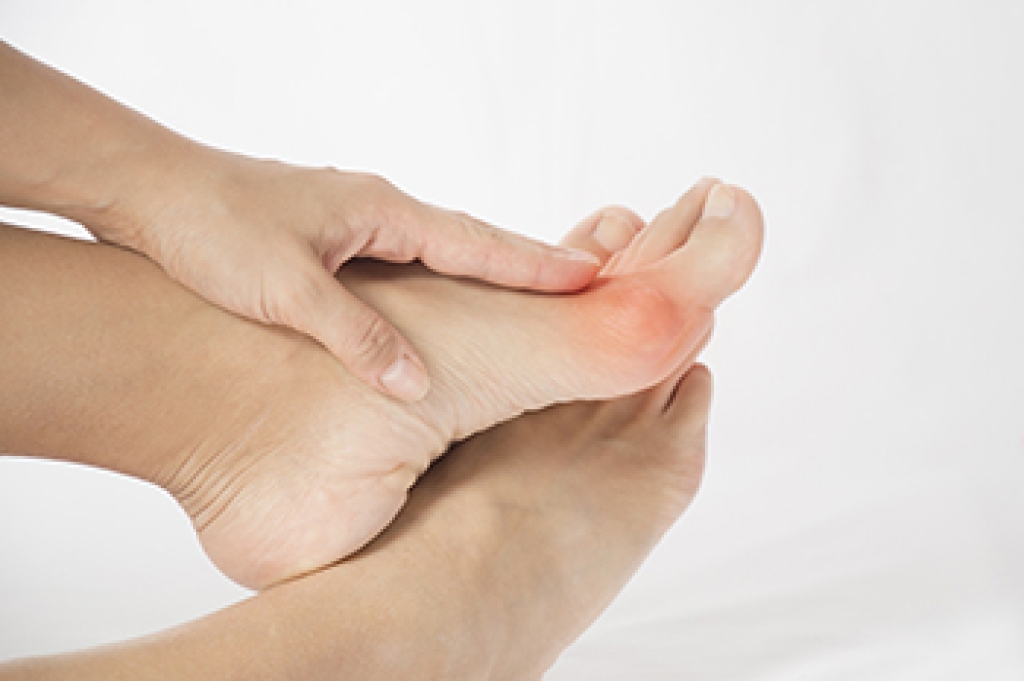
A bunion is a common foot deformity characterized by a bony bump that forms at the base of the big toe joint. The bump can become inflamed, red, swollen, and painful. It also pushes the big toe out of alignment, so that it is tilted toward the smaller toes instead of pointing straight ahead. Bunions progressively worsen without treatment, and surgery is often the only option to permanently remove them. That said, there are many things to consider prior to making the decision to operate. Certain underlying health conditions, such as diabetes, rheumatoid arthritis, and gout, can increase the risk of complications from surgery. It is also important to think about your lifestyle. Do you intend to wear high heels, exercise, or stand for prolonged periods of time? These factors can help your podiatrist determine if bunion surgery is the right treatment option for you. For more information about bunions, please consult with a podiatrist. 

If you are suffering from bunions, contact Dr. Kirk Sherris of Liberty Bay Foot & Ankle. Our doctor can provide the care you need to keep you pain-free and on your feet.

What Is a Bunion?

A bunion is formed of swollen tissue or an enlargement of boney growth, usually located at the base joint of the toe that connects to the foot. The swelling occurs due to the bones in the big toe shifting inward, which impacts the other toes of the foot. This causes the area around the base of the big toe to become inflamed and painful.

Why Do Bunions Form?

Genetics – Susceptibility to bunions are often hereditary

Stress on the feet – Poorly fitted and uncomfortable footwear that places stress on feet, such as heels, can worsen existing bunions

How Are Bunions Diagnosed?

Podiatrists often perform two tests – blood tests and x-rays – when trying to diagnose bunions, especially in the early stages of development. Blood tests help determine if the foot pain is being caused by something else, such as arthritis, while x-rays provide a clear picture of your bone structure to your provider.

How Are Bunions Treated?

  • Refrain from wearing heels or similar shoes that cause discomfort
  • Select wider shoes that can provide more comfort and reduce pain
  • Anti-inflammatory and pain management drugs
  • Orthotics or foot inserts
  • Surgery

If you have any questions, please feel free to contact our offices located in Poulsbo and Port Townsend, WA . We offer the newest diagnostic and treatment technologies for all your foot care needs.
Read more about Bunions

Gout Pain Can Be Managed

Gout is a painful, inflammatory form of arthritis. Those affected will typically feel an intense stiffness in the joints of their feet, particularly in the big toe. Schedule a visit to learn about how gout can be managed and treated.

Helping Your Teen Daughter Balance Foot Health and Fashion

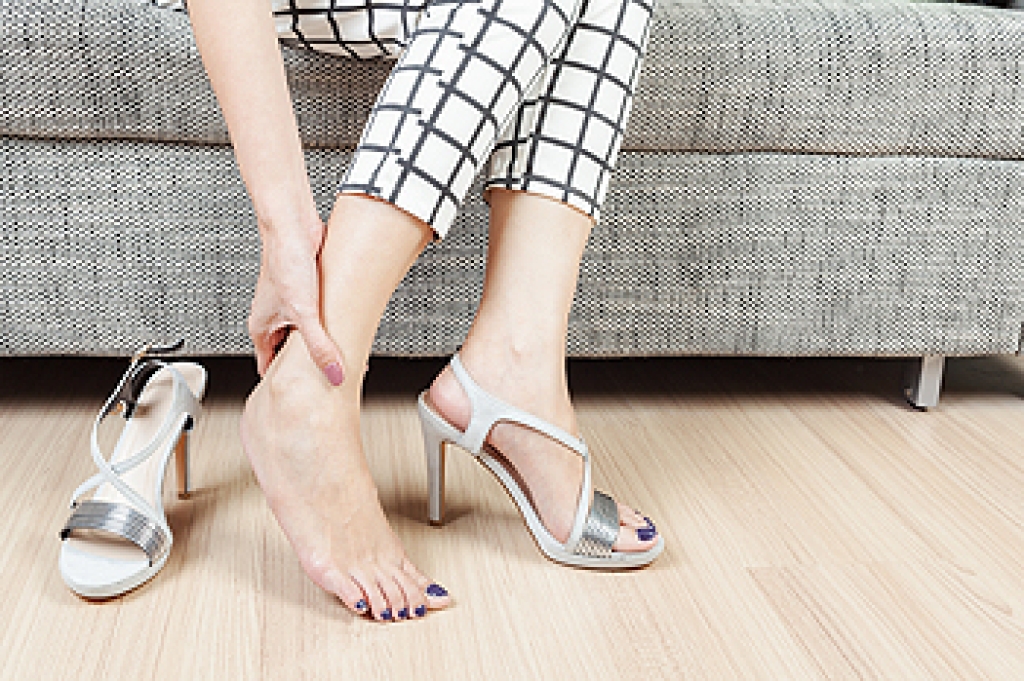
You can help your teenage daughter strike a healthy balance between foot health and fashion. Encourage them to wear more supportive footwear (which can still be cute) on a daily basis, while reserving high heels for special occasions. Explain that wearing high heels regularly can damage their muscles and even change their gait. Go over modifications that can help mitigate any damage caused by high heels while still satisfying their desire to be fashionable. For instance, 1 or 2 inch heels can cause fewer foot issues than 4 inch heels. Wider high heels help distribute body weight much more evenly than stilettos, and wider toe boxes avoid toes being squished from pointy or narrow-toed shoes that place excessive pressure on the bones of the foot. When you take them shoe shopping, help them choose footwear that fits well and is comfortable right then and there, rather than buying tighter shoes with the hope of stretching them out at home. Most flip flops do not provide adequate support either and should only be worn getting to and from the beach, in public places that are wet (around pools, in locker rooms and public showers, etc.) and for short periods of time. For more tips on proper footwear and foot care for your teenager, contact a podiatrist.

The health of a child’s feet is vital to their overall well-being. If you have any questions regarding foot health, contact Dr. Kirk Sherris of Liberty Bay Foot & Ankle. Our doctor can provide the care you need to keep you pain-free and on your feet.

Tips for Keeping Children's Feet Healthy

  • Make sure their shoes fit properly
  • Look for any signs of in-toeing or out-toeing
  • Check to see if they have Clubfoot (condition that affects your child’s foot and ankle, twisting the heel and toes inward) which is one of the most common nonmajor birth defects.
  • Lightly cover your baby’s feet (Tight covers may keep your baby from moving their feet freely, and could prevent normal development)
  • Allow your toddler to go shoeless (Shoes can be restricting for a young child’s foot)
  • Cut toenails straight across to avoid ingrown toenails
  • Keep your child’s foot clean and dry
  • Cover cuts and scrapes. Wash any scratches with soap and water and cover them with a bandage until they’ve healed.

If you have any questions, please feel free to contact our offices located in Poulsbo and Port Townsend, WA . We offer the newest diagnostic and treatment technologies for all your foot care needs.
Read more about How to Care for Your Child's Feet

What Causes Blisters and Why They Form

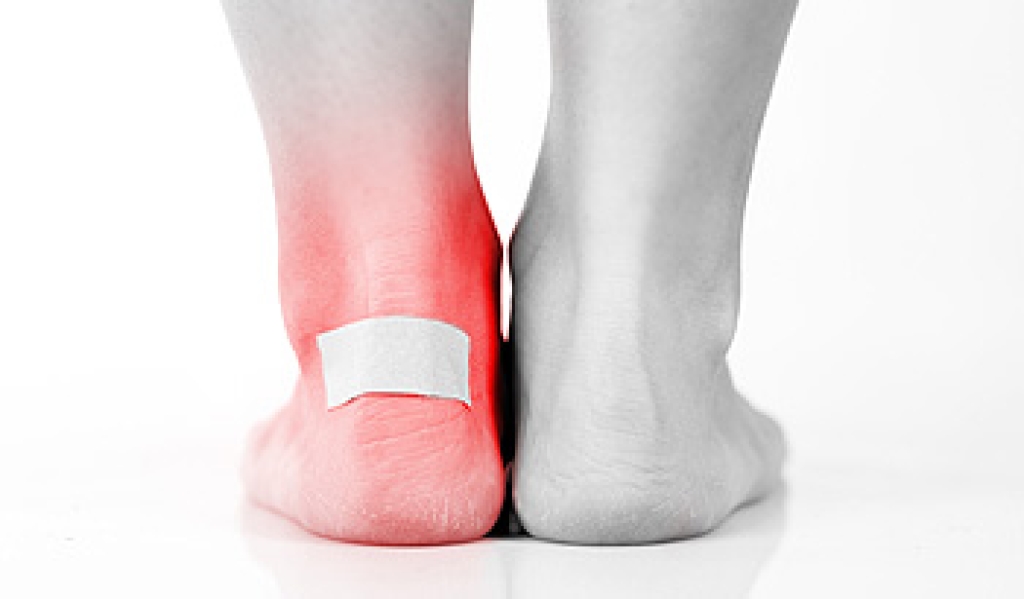
Blisters form between layers of injured skin as a way of cushioning the injury and protecting it from further damage. When friction or some other irritant damages the upper layer of skin (epidermis), it can tear away from underlying layers of skin. The space that is created between the layers then fills up with fluid (serum). Most blisters occur as a result of friction caused by ill-fitting shoes or socks. Other causes of blisters include burns, frostbite, irritants such as insect bites, chemicals and other toxins. Medical conditions like diabetic neuropathy and eczema, as well as certain autoimmune deficiencies, can weaken the outer layer of skin which increases the risk of blisters forming. Aside from removing pressure from the affected area, it is best to leave a blister alone to allow it to heal naturally, which usually happens within a few days. However, if the blister worsens by becoming discolored or excessively inflamed, it may indicate that an infection is present and a podiatrist should be consulted right away.

Blisters are prone to making everyday activities extremely uncomfortable. If your feet are hurting, contact Dr. Kirk Sherris of Liberty Bay Foot & Ankle. Our doctor can provide the care you need to keep you pain-free and on your feet.

Foot Blisters

Foot blisters develop as a result of constantly wearing tight or ill-fitting footwear. This happens due to the constant rubbing from the shoe, which can often lead to pain.

What Are Foot Blisters?

A foot blister is a small fluid-filled pocket that forms on the upper-most layer of the skin. Blisters are filled with clear fluid and can lead to blood drainage or pus if the area becomes infected.

How Do Blisters Form?

Blisters on the feet are often the result of constant friction of skin and material, usually by shoe rubbing. Walking in sandals, boots, or shoes that don’t fit properly for long periods of time can result in a blister. Having consistent foot moisture and humidity can easily lead to blister formation.

Prevention & Treatment

It is important to properly care for the affected area in order to prevent infection and ease the pain. Do not lance the blister and use a Band-Aid to provide pain relief. Also, be sure to keep your feet dry and wear proper fitting shoes. If you see blood or pus in a blister, seek assistance from a podiatrist.

If you have any questions, please feel free to contact our offices located in Poulsbo and Port Townsend, WA . We offer the newest diagnostic and treatment technologies for all your foot care needs.

Read more about Blisters
Connect with us