
Blog

Understanding Plantar Fasciitis

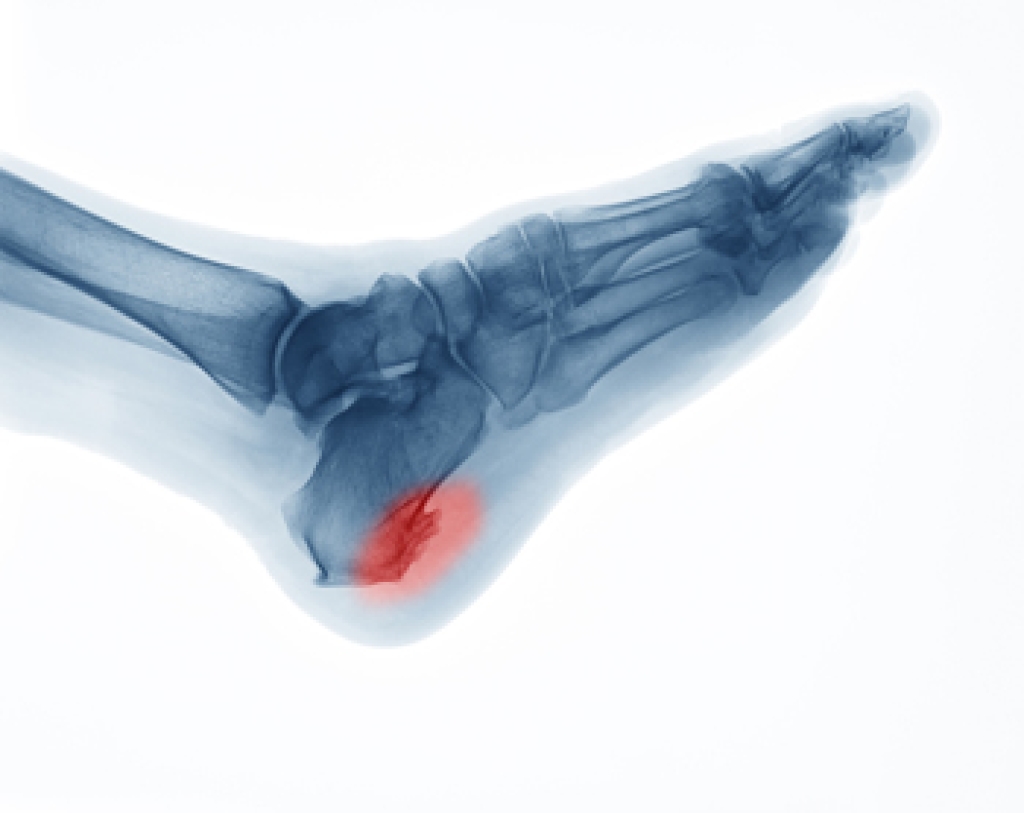
Plantar fasciitis is a common foot condition that causes pain in the heel or arch of the foot. It occurs when the plantar fascia, a thick band of tissue that supports your arch, becomes inflamed due to overuse, tight calf muscles, poor footwear, or excessive standing. Runners, people with flat feet, and those who are overweight are especially at risk. Symptoms include sharp, stabbing heel pain, especially with the first steps in the morning or after long periods of rest. The heel may feel swollen or tender to the touch. A podiatrist can diagnose plantar fasciitis through physical examination and may recommend custom orthotics, stretching exercises, or footwear changes. In some cases, advanced treatments like corticosteroid injections may be recommended. If you are dealing with heel pain that may be caused by plantar fasciitis, it is suggested that you make an appointment with a podiatrist.

Plantar fasciitis can be very painful and inconvenient. If you are experiencing heel pain or symptoms of plantar fasciitis, contact Dr. Kirk Sherris  from Liberty Bay Foot & Ankle. Our doctor can provide the care you need to keep you pain-free and on your feet.

What Is Plantar Fasciitis?

Plantar fasciitis is the inflammation of the thick band of tissue that runs along the bottom of your foot, known as the plantar fascia, and causes mild to severe heel pain.

What Causes Plantar Fasciitis?

  • Excessive running
  • Non-supportive shoes
  • Overpronation
  • Repeated stretching and tearing of the plantar fascia

How Can It Be Treated?

  • Conservative measures – anti-inflammatories, ice packs, stretching exercises, physical therapy, orthotic devices
  • Shockwave therapy – sound waves are sent to the affected area to facilitate healing and are usually used for chronic cases of plantar fasciitis
  • Surgery – usually only used as a last resort when all else fails. The plantar fascia can be surgically detached from the heel

While very treatable, plantar fasciitis is definitely not something that should be ignored. Especially in severe cases, speaking to your doctor right away is highly recommended to avoid complications and severe heel pain. Your podiatrist can work with you to provide the appropriate treatment options tailored to your condition.

If you have any questions, please feel free to contact our offices located in Poulsbo and Port Townsend, WA . We offer the newest diagnostic and treatment technologies for all your foot care needs.

Read more about Plantar Fasciitis

What to Know About Broken Ankles

A broken ankle can happen during a fall, sudden twist, or direct blow to the joint. The break may involve one or more bones and can range from a minor crack to a more serious injury that affects stability. Symptoms often include pain, swelling, bruising, and trouble putting weight on the foot. In some cases, the ankle may appear misshapen or feel unstable. Diagnosis usually involves an exam and imaging to understand the extent of the injury. Treatment depends on how severe the break is and may involve a cast, boot, or, in some cases, surgery to realign the bones. Recovery may also include exercises to restore strength and movement. If you believe you may have injured your ankle and are experiencing pain or swelling, it is suggested that you promptly see a podiatrist for a proper diagnosis and appropriate treatment plan.

Broken ankles need immediate treatment. If you are seeking treatment, contact Dr. Kirk Sherris from Liberty Bay Foot & Ankle. Our doctor can provide the care you need to keep you pain-free and on your feet. 

Broken Ankles
A broken ankle is experienced when a person fractures their tibia or fibula in the lower leg and ankle area. Both of these bones are attached at the bottom of the leg and combine to form what we know to be our ankle.

When a physician is referring to a break of the ankle, he or she is usually referring to a break in the area where the tibia and fibula are joined to create our ankle joint. Ankles are more prone to fractures because the ankle is an area that suffers a lot of pressure and stress. There are some obvious signs when a person experiences a fractured ankle, and the following symptoms may be present.

Symptoms of a Fractured Ankle

  • Excessive pain when the area is touched or when any pressure is placed on the ankle
  • Swelling around the area
  • Bruising of the area
  • Area appears to be deformed

If you suspect an ankle fracture, it is recommended to seek treatment as soon as possible. The sooner you have your podiatrist diagnose the fracture, the quicker you’ll be on the way towards recovery.

If you have any questions, please feel free to contact our offices located in Poulsbo and Port Townsend, WA . We offer the newest diagnostic and treatment technologies for all your foot care needs.

Read more about Broken Ankle Causes, Differences, Symptoms and Treatments

Speeding up Recovery From a Heel Spur

A heel spur is a calcium deposit that forms under the heel bone, often linked to ongoing strain on the foot. Although the spur itself may not always cause pain, the surrounding tissue can become irritated. Recovery focuses on reducing pressure and inflammation. Wearing supportive shoes with good arch structure, cushioned insoles, and soft heel pads can make a big difference. Stretching the calf and foot regularly helps ease tension along the bottom of the foot. Avoiding high-impact activities allows the area to calm down. In some cases, custom orthotics or targeted exercises may be helpful. While quick relief is possible with the right care, complete healing may still take time. If your heel pain does not improve or becomes more intense, it is suggested that you see a podiatrist for a proper diagnosis and a personalized treatment plan.

Heel spurs can be incredibly painful and sometimes may make you unable to participate in physical activities. To get medical care for your heel spurs, contact Dr. Kirk Sherris from Liberty Bay Foot & Ankle. Our doctor will do everything possible to treat your condition.

Heels Spurs

Heel spurs are formed by calcium deposits on the back of the foot where the heel is. This can also be caused by small fragments of bone breaking off one section of the foot, attaching onto the back of the foot. Heel spurs can also be bone growth on the back of the foot and may grow in the direction of the arch of the foot.

Older individuals usually suffer from heel spurs and pain sometimes intensifies with age. One of the main condition's spurs are related to is plantar fasciitis.

Pain

The pain associated with spurs is often because of weight placed on the feet. When someone is walking, their entire weight is concentrated on the feet. Bone spurs then have the tendency to affect other bones and tissues around the foot. As the pain continues, the feet will become tender and sensitive over time.

Treatments

There are many ways to treat heel spurs. If one is suffering from heel spurs in conjunction with pain, there are several methods for healing. Medication, surgery, and herbal care are some options.

If you have any questions, please feel free to contact our offices located in Poulsbo and Port Townsend, WA . We offer the newest diagnostic and treatment technologies for all your foot care needs.

Read more about Heel Spurs

Summer Foot Habits to Avoid

Warm weather often leads to wearing lighter footwear and more time outside, but certain habits can put your feet at risk. Spending extended periods of time walking barefoot, even around pools or on grass, may result in injuries or infections. Thin sandals without proper structure can lead to heel pain or arch strain. Damp feet left in wet shoes or socks may invite fungus and skin irritation. Forgetting to protect the tops of your feet from the sun can result in unexpected burns. Cutting toenails improperly or too short in preparation for open-toed shoes may cause painful nail problems. While summer encourages a relaxed approach, your feet still need support, protection, and care. Being mindful of how you treat your feet during this season can help prevent avoidable issues. If your feet become sore, irritated, or develop problems that do not improve, it is suggested that you see a podiatrist for a proper diagnosis and appropriate treatment.

Foot Pain

Foot pain can be extremely painful and debilitating. If you have a foot pain, consult with Dr. Kirk Sherris from Liberty Bay Foot & Ankle. Our doctor will assess your condition and provide you with quality foot and ankle treatment.

Causes

Foot pain is a very broad condition that could be caused by one or more ailments. The most common include:

  • Bunions
  • Hammertoes
  • Plantar Fasciitis
  • Bone Spurs
  • Corns
  • Tarsal Tunnel Syndrome
  • Ingrown Toenails
  • Arthritis (such as Gout, Rheumatoid, and Osteoarthritis)
  • Flat Feet
  • Injury (from stress fractures, broken toe, foot, ankle, Achilles tendon ruptures, and sprains)
  • And more

Diagnosis

To figure out the cause of foot pain, podiatrists utilize several different methods. This can range from simple visual inspections and sensation tests to X-rays and MRI scans. Prior medical history, family medical history, and any recent physical traumatic events will all be taken into consideration for a proper diagnosis.

Treatment

Treatment depends upon the cause of the foot pain. Whether it is resting, staying off the foot, or having surgery; podiatrists have a number of treatment options available for foot pain.

If you have any questions, please feel free to contact our offices located in Poulsbo and Port Townsend, WA . We offer the newest diagnostic and treatment technologies for all your foot care needs.

Read more about Foot Pain

Gout Pain Can Be Managed

Gout is a painful, inflammatory form of arthritis. Those affected will typically feel an intense stiffness in the joints of their feet, particularly in the big toe. Schedule a visit to learn about how gout can be managed and treated.

Connect with us