Blog

Tips for Purchasing Children's Shoes

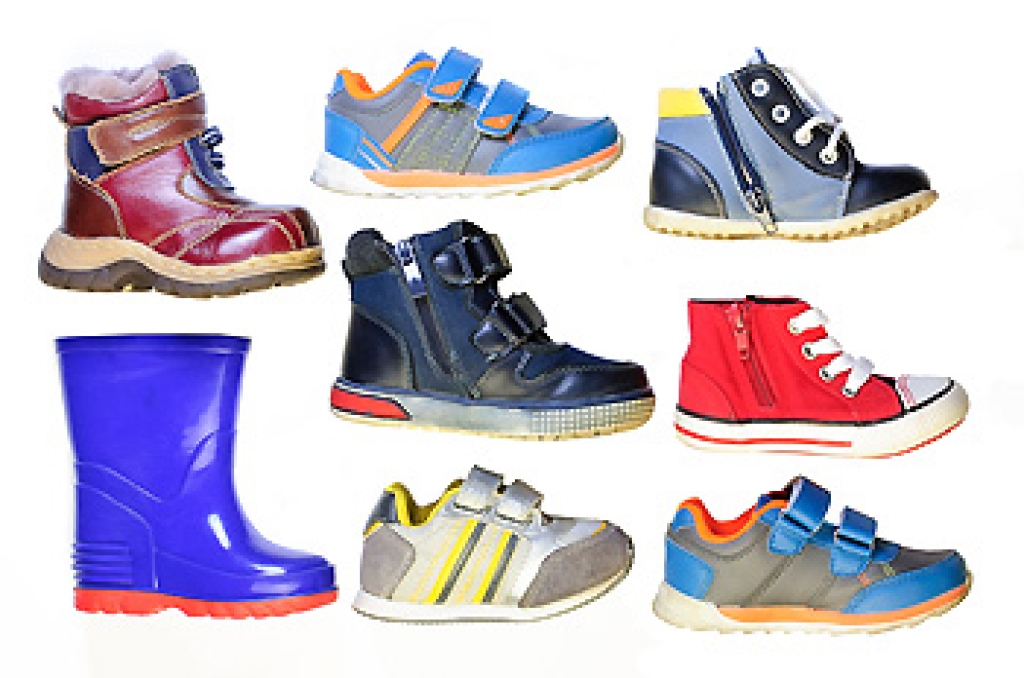
Much like adults, children can experience various foot problems caused by ill-fitting, uncomfortable, or unsupportive shoes. These foot problems can be avoided by finding the right pair of shoes for your child. A child’s foot can grow up to two sizes within six months. This means that they will generally need new shoes more often than an adult would. When shoe shopping, look for shoes that leave about a finger’s width of room from the end of the shoe to the tip of your child’s big toe to ensure a proper fit. Shoes often wear out over time, and wearing worn out shoes can increase the risk of developing heel pain, Achilles tendonitis, ankle sprains, and fractures. Shoes that are too tight can cause calluses corns and blisters. Inspect your child’s shoes regularly to make sure that they have proper cushioning and support. If your child has flat feet, it is suggested to buy them shoes with a wide toe box, maximum arch support, and shock absorption. For more information on finding the right shoes for your child, speak with a podiatrist today.

Making sure that your children maintain good foot health is very important as they grow. If you have any questions, contact Dr. Kirk Sherris of Liberty Bay Foot & Ankle. Our doctor can provide the care you need to keep you pain-free and on your feet.

Keeping Children's Feet Healthy

Having healthy feet during childhood can help prevent medical problems later in life, namely in the back and legs. As children grow, their feet require different types of care. Here are some things to consider...

Although babies do not walk yet, it is still very important to take care of their feet.

Avoid putting tight shoes or socks on his or her feet.

Allow the baby to stretch and kick his or her feet to feel comfortable.

As a toddler, kids are now on the move and begin to develop differently. At this age, toddlers are getting a feel for walking, so don’t be alarmed if your toddler is unsteady or ‘walks funny’. 

As your child gets older, it is important to teach them how to take care of their feet.

Show them proper hygiene to prevent infections such as fungus.

Be watchful for any pain or injury.

Have all injuries checked by a doctor as soon as possible.

Comfortable, protective shoes should always be worn, especially at play.

If you have any questions, please feel free to contact our offices located in Poulsbo and Port Townsend, WA . We offer the newest diagnostic and treatment technologies for all your foot care needs.
Read more about How to Care for Your Child's Feet

Symptoms and Causes of Achilles Tendinitis

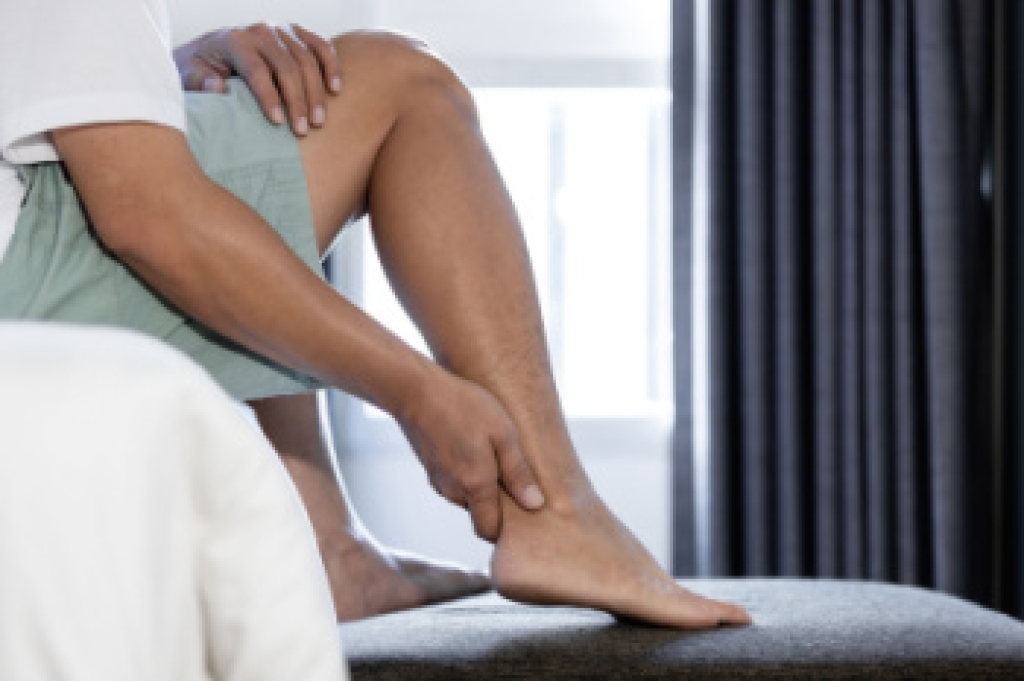
Achilles tendinitis causes pain and stiffness along the back of the ankle, where the tendon connects the calf muscles to the heel bone. Symptoms often build gradually during walking or activity. Among them are swelling, warmth, or a thickened area along the tendon. Bending the ankle upward can intensify the discomfort. Some patients also feel a tender nodule or hear a faint crackle when the tendon moves. Achilles tendinitis often develops when the tendon is repeatedly stressed by running, jumping, or rapid increases in activity. It can also be linked to tension from tight calf muscles, certain forms of arthritis, or shoes that lack adequate support, such as worn-out sneakers or flip-flops. A podiatrist can assess the Achilles tendon, order imaging if needed, and guide an effective treatment plan that protects the foot and lowers the risk of a tendon rupture. If you have injured your Achilles tendon, it is suggested that you make an appointment with a podiatrist for a diagnosis and treatment.

Achilles tendon injuries need immediate attention to avoid future complications. If you have any concerns, contact Dr. Kirk Sherris of Liberty Bay Foot & Ankle. Our doctor can provide the care you need to keep you pain-free and on your feet.

What Is the Achilles Tendon?

The Achilles tendon is a tendon that connects the lower leg muscles and calf to the heel of the foot. It is the strongest tendon in the human body and is essential for making movement possible. Because this tendon is such an integral part of the body, any injuries to it can create immense difficulties and should immediately be presented to a doctor.

What Are the Symptoms of an Achilles Tendon Injury?

There are various types of injuries that can affect the Achilles tendon. The two most common injuries are Achilles tendinitis and ruptures of the tendon.

Achilles Tendinitis Symptoms

  • Inflammation
  • Dull to severe pain
  • Increased blood flow to the tendon
  • Thickening of the tendon

Rupture Symptoms

  • Extreme pain and swelling in the foot
  • Total immobility

Treatment and Prevention

Achilles tendon injuries are diagnosed by a thorough physical evaluation, which can include an MRI. Treatment involves rest, physical therapy, and in some cases, surgery. However, various preventative measures can be taken to avoid these injuries, such as:

  • Thorough stretching of the tendon before and after exercise
  • Strengthening exercises like calf raises, squats, leg curls, leg extensions, leg raises, lunges, and leg presses

If you have any questions please feel free to contact our offices located in Poulsbo and Port Townsend, WA . We offer the newest diagnostic tools and technology to treat your foot and ankle needs.

Read more about What are Achilles Tendon Injuries

Identifying and Treating Heel Pain

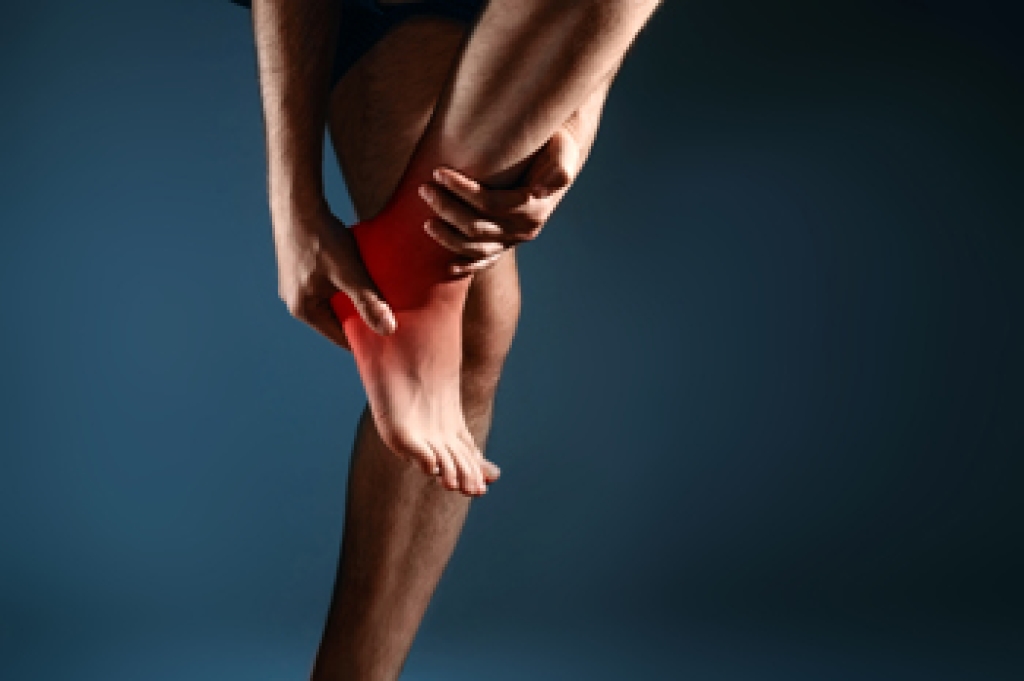
Heel pain can result from several causes, including plantar fasciitis, fractures, or tendonitis. Plantar fasciitis occurs when the thick band of tissue that connects the heel to the toes becomes inflamed, often due to overuse, improper footwear, or high impact activities. Heel fractures can result from trauma or stress and may cause swelling, bruising, or difficulty walking. Tendonitis involves inflammation of the tendons around the heel, often from repetitive strain or sudden increases in activity. Heel pain may look subtle from the outside but can feel sharp, stabbing, or aching, especially with the first steps in the morning or after prolonged activity. A podiatrist can diagnose the cause through physical examination, imaging if needed, and gait analysis. Treatment may include stretching, orthotics, supportive footwear, anti-inflammatory therapies, or targeted interventions for fractures. Early evaluation supports faster healing and prevents chronic pain. If you experience persistent heel discomfort, it is suggested that you make an appointment with a podiatrist. 

Many people suffer from bouts of heel pain. For more information, contact Dr. Kirk Sherris of Liberty Bay Foot & Ankle. Our doctor can provide the care you need to keep you pain-free and on your feet.

Causes of Heel Pain

Heel pain is often associated with plantar fasciitis. The plantar fascia is a band of tissues that extends along the bottom of the foot. A rip or tear in this ligament can cause inflammation of the tissue.

Achilles tendonitis is another cause of heel pain. Inflammation of the Achilles tendon will cause pain from fractures and muscle tearing. Lack of flexibility is also another symptom.

Heel spurs are another cause of pain. When the tissues of the plantar fascia undergo a great deal of stress, it can lead to ligament separation from the heel bone, causing heel spurs.

Why Might Heel Pain Occur?

  • Wearing ill-fitting shoes                
  • Wearing non-supportive shoes
  • Weight change           
  • Excessive running

Treatments

Heel pain should be treated as soon as possible for immediate results. Keeping your feet in a stress-free environment will help. If you suffer from Achilles tendonitis or plantar fasciitis, applying ice will reduce the swelling. Stretching before an exercise like running will help the muscles. Using all these tips will help make heel pain a condition of the past.

If you have any questions, please feel free to contact our offices located in Poulsbo and Port Townsend, WA . We offer the newest diagnostic and treatment technologies for all your foot care needs.

Read more about Heel Pain

When Small Toes Cause Big Problems

The smaller toes may seem unimportant, but they play a key role in balance and movement. When something goes wrong, even a tiny toe can cause surprising discomfort. Common issues include hammertoes, corns, calluses, and painful rubbing from tight shoes. The small toes are also prone to dislocation, nerve irritation, and fractures from stubbing or pressure during activity. Over time, structural imbalances or arthritis can make these toes curl, stiffen, or overlap, leading to chronic soreness and changes in gait. Because these problems often worsen gradually, early care makes a big difference. A podiatrist can recommend shoes with a wider toe box, padding, or custom orthotics to relieve pressure and improve alignment. In more severe cases, minor procedures can correct toe deformities and restore comfort. If you are experiencing pain or notice changes in your smaller toes, it is suggested that you see a podiatrist for a proper evaluation and appropriate treatment.

Foot surgery is sometimes necessary to treat a foot ailment. To learn more, contact Dr. Kirk Sherris of Liberty Bay Foot & Ankle. Our doctor will assist you with all of your foot and ankle needs.

When Is Surgery Necessary?

Foot and ankle surgery is generally reserved for cases in which less invasive, conservative procedures have failed to alleviate the problem. Some of the cases in which surgery may be necessary include:

  • Removing foot deformities like bunions and bone spurs
  • Severe arthritis that has caused bone issues
  • Cosmetic reconstruction

What Types of Surgery Are There?

The type of surgery you receive will depend on the nature of the problem you have. Some of the possible surgeries include:

  • Bunionectomy for painful bunions
  • Surgical fusion for realignment of bones
  • Neuropathy decompression surgery to treat nerve damage

Benefits of Surgery

Although surgery is usually a last resort, it can provide more complete pain relief compared to non-surgical methods and may allow you to finally resume full activity.

Surgical techniques have also become increasingly sophisticated. Techniques like endoscopic surgery allow for smaller incisions and faster recovery times.

If you have any questions, please feel free to contact our offices located in Poulsbo and Port Townsend, WA . We offer the newest diagnostic and treatment technologies for all your foot care needs.

Read more about Foot and Ankle Surgery

It's Time for Beautiful Feet

You don't need an excuse to have beautiful nails. Step outside without worrying about the appearance of your feet.

Connect with us