
Blog

Foot Pain During Pregnancy

Pregnancy places unique demands on the feet as the body adapts to weight gain, hormonal changes, and shifts in posture. Many women notice swelling in the feet and ankles, heel pain, arch discomfort, and changes in shoe size as ligaments become more flexible. These changes can contribute to flat feet, heel pain, swelling, and increased pressure on the forefoot. Balance may be affected as the center of gravity moves forward, increasing strain on the ankles. A podiatrist can evaluate foot structure, gait, and joint alignment to identify the source of discomfort. Treatment options include supportive devices, compression therapy, and footwear guidance appropriate to the condition. Monitoring foot health helps reduce pain. If you are experiencing foot pain during pregnancy, it is suggested that you make an appointment with a podiatrist for an exam, diagnosis, and treatment.

Pregnant women with swollen feet can be treated with a variety of different methods that are readily available. For more information about other cures for swollen feet during pregnancy, consult with Dr. Kirk Sherris from Liberty Bay Foot & Ankle. Our doctor will attend to all of your foot and ankle needs.

What Foot Problems Can Arise During Pregnancy?

One problem that can occur is overpronation, which occurs when the arch of the foot flattens and tends to roll inward.  This can cause pain and discomfort in your heels while you’re walking or even just standing up, trying to support your baby.  

Another problem is edema, or swelling in the extremities. This often affects the feet during pregnancy but tends to occur in the later stages. 

How Can I Keep My Feet Healthy During Pregnancy?

  • Wearing orthotics can provide extra support for the feet and help distribute weight evenly
  • Minimize the amount of time spent walking barefoot
  • Wear shoes with good arch support
  • Wear shoes that allow for good circulation to the feet
  • Elevate feet if you experience swelling
  • Massage your feet
  • Get regular, light exercise, such as walking, to promote blood circulation to the feet

If you have any questions, please feel free to contact our offices located in Poulsbo and Port Townsend, WA . We offer the newest diagnostic and treatment technologies for all your foot care needs.
Read more about Foot Care for Pregnant Women

Essential Facts About Bunions and Foot Health

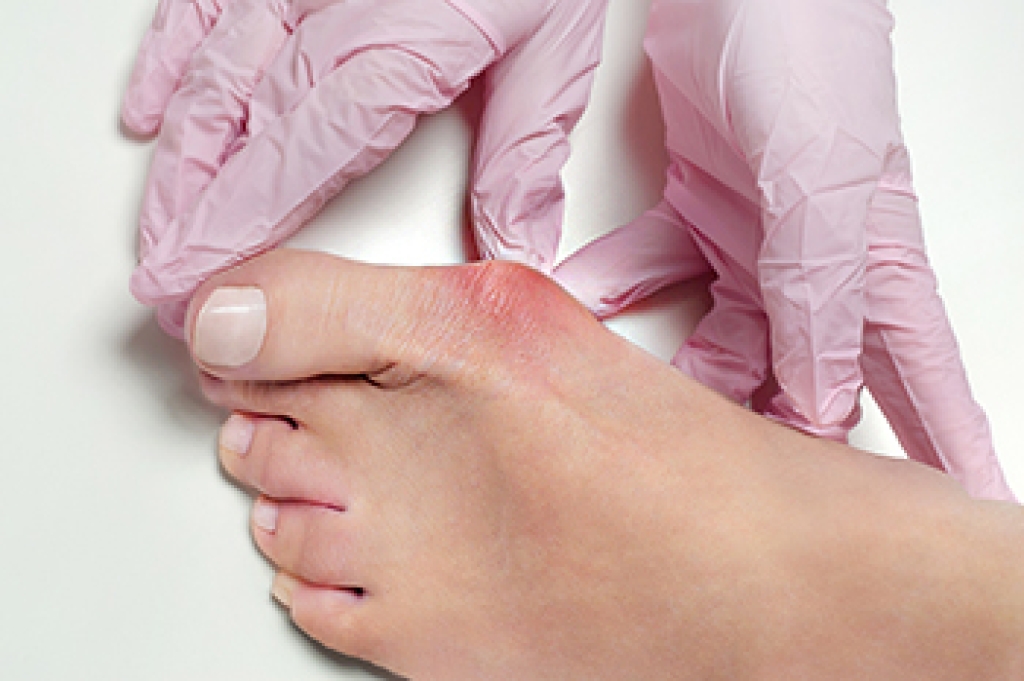
A bunion is a bony bump that forms at the base of the big toe, causing the joint to shift and the toe to angle inward. Genetics can play a significant role in bunion development, as foot structure traits are often inherited. Symptoms may include pain, swelling, redness, and difficulty wearing certain shoes. Ill-fitting footwear that is tight, narrow, or high-heeled can worsen the condition, over time. Risk factors include flat feet, arthritis, and prolonged pressure on the big toe joint. A podiatrist can evaluate the severity of a bunion, recommend proper footwear, provide custom orthotics, and offer medical or surgical treatment options. If you have developed a bunion, it is suggested that you consult a podiatrist who can offer effective relief and management tips.

If you are suffering from bunion pain, contact Dr. Kirk Sherris of Liberty Bay Foot & Ankle. Our doctor can provide the care you need to keep you pain-free and on your feet.

What Is a Bunion?

Bunions are painful bony bumps that usually develop on the inside of the foot at the joint of the big toe. As the deformity increases over time, it may become painful to walk and wear shoes. Women are more likely to exacerbate existing bunions since they often wear tight, narrow shoes that shift their toes together. Bunion pain can be relieved by wearing wider shoes with enough room for the toes.

Causes

  • Genetics – some people inherit feet that are more prone to bunion development
  • Inflammatory Conditions - rheumatoid arthritis and polio may cause bunion development

Symptoms

  • Redness and inflammation
  • Pain and tenderness
  • Callus or corns on the bump
  • Restricted motion in the big toe

In order to diagnose your bunion, your podiatrist may ask about your medical history, symptoms, and general health. Your doctor might also order an x-ray to take a closer look at your feet. Nonsurgical treatment options include orthotics, padding, icing, changes in footwear, and medication. If nonsurgical treatments don’t alleviate your bunion pain, surgery may be necessary.

If you have any questions, please feel free to contact our offices located in Poulsbo and Port Townsend, WA . We offer the newest diagnostic and treatment technologies for all your foot care needs.
Read more about Bunions

Daily Foot Care Routine for Strong and Healthy Feet

Maintaining healthy feet and nails requires consistent daily care. Keeping feet clean by washing them with gentle soap and warm water helps prevent bacterial and fungal infections. Nails should be carefully cut and trimmed straight across to avoid ingrown nails and discomfort. It is important to keep feet dry, especially between the toes, to reduce the risk of fungal infections. Additionally, regularly moisturizing the heels and tops of the feet prevents dryness and cracking while maintaining skin elasticity. A podiatrist can provide professional nail care, treat infections, recommend proper footwear, and create a personalized foot care plan. If you want to protect your feet, prevent common problems, and maintain comfort, it is suggested that you consult a podiatrist who can treat various foot conditions, and guide you on additional everyday foot care tips.

Everyday foot care is very important to prevent infection and other foot ailments. If you need your feet checked, contact Dr. Kirk Sherris from Liberty Bay Foot & Ankle. Our doctor can provide the care you need to keep you pain-free and on your feet.

Everyday Foot Care

Often, people take care of their bodies, face and hair more so than they do for their feet. But the feet are a very important aspect of our bodies, and one that we should pay more attention to. Without our feet, we would not be able to perform most daily tasks.

It is best to check your feet regularly to make sure there are no new bruises or cuts that you may not have noticed before. For dry feet, moisturizer can easily be a remedy and can be applied as often as necessary to the affected areas. Wearing shoes that fit well can also help you maintain good foot health, as well as making it easier to walk and do daily activities without the stress or pain of ill-fitting shoes, high heels, or even flip flops. Wearing clean socks with closed shoes is important to ensure that sweat and bacteria do not accumulate within the shoe. Clean socks help to prevent Athlete’s foot, fungi problems, bad odors, and can absorb sweat.

If you have any questions, please feel free to contact our offices located in Poulsbo and Port Townsend, WA . We offer the newest diagnostic and treatment technologies for all your foot care needs.

Read more about Everyday Foot Care

A Closer Look at Ingrown Toenail Surgery

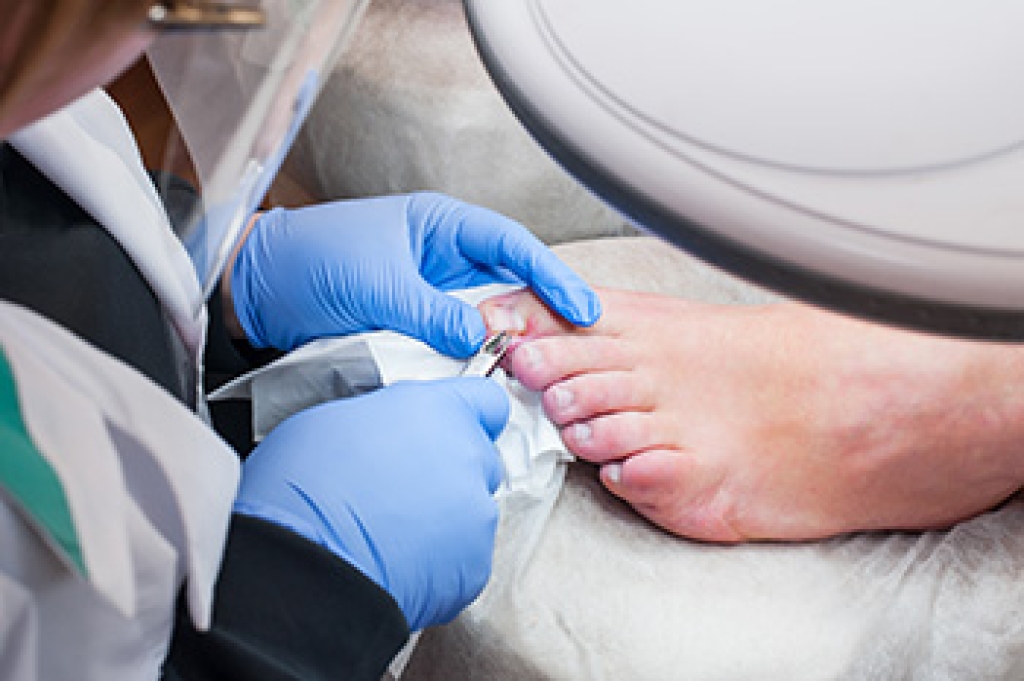
Ingrown toenail surgery is often recommended when an ingrown nail becomes painful or infected. Symptoms usually include swelling, drainage, and overgrown skin along the nail edge. The toe may look inflamed or shiny and can feel sore at first, then progress to sharp pain, throbbing, or tenderness that makes wearing shoes difficult. Causes include repeated improper nail trimming, tight footwear, and genetic factors that cause the nail to curve into the skin. A podiatrist can help from the start by examining the toe, confirming the diagnosis, and determining whether infection or deeper tissue involvement is present. Early care may include conservative treatment, but when symptoms persist, a minor in-office surgical procedure can safely remove the ingrown portion of the nail. Treatment then moves into proper wound care, infection prevention, and long-term solutions to reduce recurrence. If you have a painful ingrown toenail, it is suggested that you make an appointment with a podiatrist.

Ingrown toenails can become painful if they are not treated properly. For more information about ingrown toenails, contact Dr. Kirk Sherris of Liberty Bay Foot & Ankle. Our doctor can provide the care you need to keep you pain-free and on your feet.

Ingrown Toenails

Ingrown toenails occur when a toenail grows sideways into the bed of the nail, causing pain, swelling, and possibly infection.

Causes

  • Bacterial infections
  • Improper nail cutting such as cutting it too short or not straight across
  • Trauma to the toe, such as stubbing, which causes the nail to grow back irregularly
  • Ill-fitting shoes that bunch the toes too close together
  • Genetic predisposition

Prevention

Wearing proper fitting shoes and using proper cutting techniques will also help decrease your risk of developing ingrown toenails.

Treatment

Ingrown toenails are a very treatable foot condition. In minor cases, soaking the affected area in salt or antibacterial soaps will not only help with the ingrown nail itself, but also help prevent any infections from occurring. In more severe cases, surgery is an option. In either case, speaking to your podiatrist about this condition will help you get a better understanding of specific treatment options that are right for you.

If you have any questions, please feel free to contact our offices located in Poulsbo and Port Townsend, WA . We offer the newest diagnostic and treatment technologies for all your foot care needs.

Read more about Ingrown Toenails

Why Live with Pain and Numbness in Your Feet?

Suffering from this type of pain? You may have the foot condition known as Morton's neuroma. Morton's neuroma may develop as a result of ill-fitting footwear and existing foot deformities. We can help.

Connect with us