Blog

When Foot Symptoms May Signal Diabetic Neuropathy

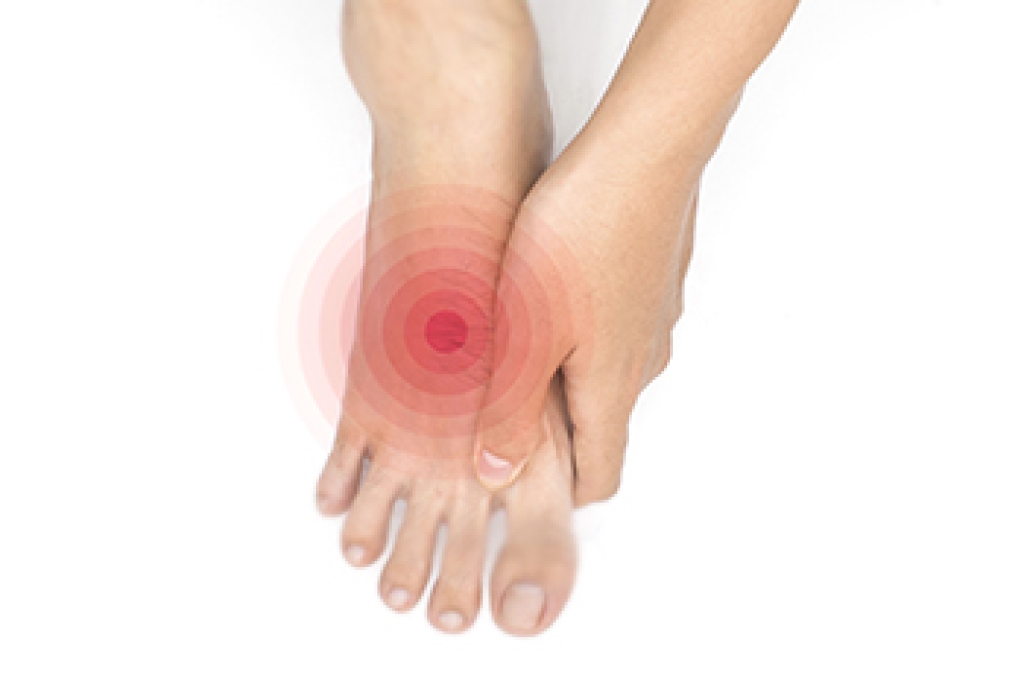
Diabetic neuropathy is nerve damage linked to prolonged blood sugar changes, and the feet are often affected first. Early signs may be easy to ignore, such as tingling, burning, pins-and-needles sensations, or unusual numbness in the toes. Some people feel sharp, shooting pain, while others notice their feet seem less sensitive to heat, cold, or minor injuries. This loss of feeling can be especially concerning because cuts, blisters, or pressure spots may go unnoticed, and worsen over time. Muscle weakness in the feet can also change the way a person walks, leading to balance problems or foot shape changes. Because these symptoms may develop gradually, many people do not realize nerve damage is progressing. Early evaluation can help identify the problem and reduce the risk of serious complications. If you have unusual foot symptoms and diabetes, it is suggested that you are under the care of a podiatrist who can help you to manage this serious condition.

Diabetic foot care is important in preventing foot ailments such as ulcers. If you are suffering from diabetes or have any other concerns about your feet, contact Dr. Kirk Sherris from Liberty Bay Foot & Ankle. Our doctor can provide the care you need to keep you pain-free and on your feet.

Diabetic Foot Care

Diabetes affects millions of people every year. The condition can damage blood vessels in many parts of the body, especially the feet. Because of this, taking care of your feet is essential if you have diabetes, and having a podiatrist help monitor your foot health is highly recommended.

The Importance of Caring for Your Feet

  • Routinely inspect your feet for bruises or sores.
  • Wear socks that fit your feet comfortably.
  • Wear comfortable shoes that provide adequate support.

Patients with diabetes should have their doctor monitor their blood levels, as blood sugar levels play such a huge role in diabetic care. Monitoring these levels on a regular basis is highly advised.

It is always best to inform your healthcare professional of any concerns you may have regarding your feet, especially for diabetic patients. Early treatment and routine foot examinations are keys to maintaining proper health, especially because severe complications can arise if proper treatment is not applied.

If you have any questions, please feel free to contact our offices located in Poulsbo and Port Townsend, WA . We offer the newest diagnostic and treatment technologies for all your foot care needs.
Read more about Diabetic Foot Conditions

Why a Blister May Develop

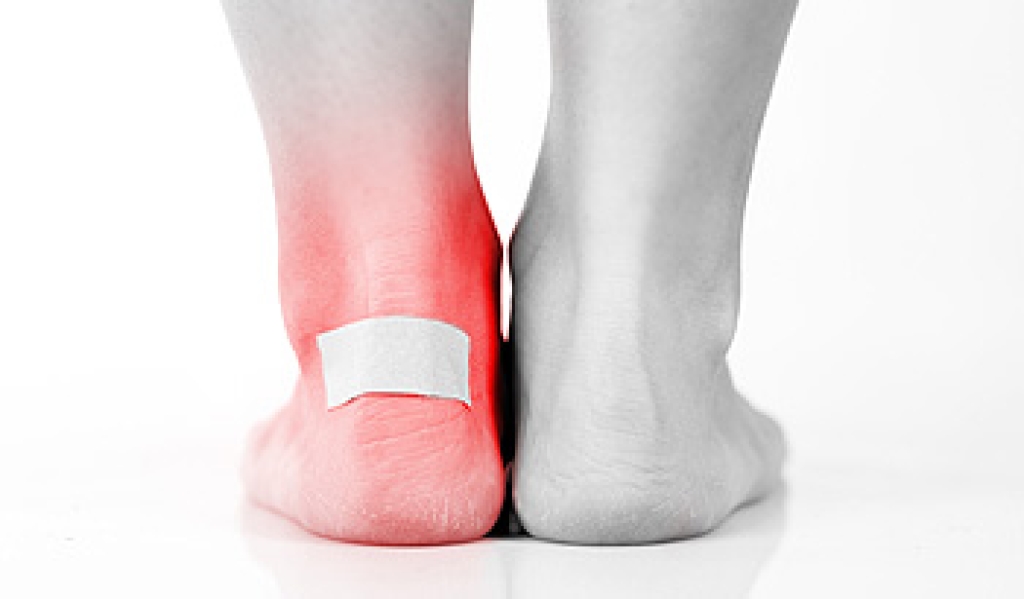
The majority of blisters on the feet are caused by excess friction. One of the most common causes for this friction to occur involves wearing socks or shoes that do not fit correctly. Additionally, blisters may develop due to an allergic reaction to an insect bite, or from a severe burn. A blister is the body’s natural response to healing the raw skin, and it appears as a bubble that is filled with liquid over the affected area. As new skin forms underneath the bubble, the blister will gradually drain on its own. It is beneficial to avoid popping the blister as this can be a reason why an infection may develop. If you have blisters on your feet, it is suggested that you speak to a podiatrist who can provide you with treatment and advise on how to prevent blisters in the future.

Blisters are prone to making everyday activities extremely uncomfortable. If your feet are hurting, contact Dr. Kirk Sherris of Liberty Bay Foot & Ankle. Our doctor can provide the care you need to keep you pain-free and on your feet.

Foot Blisters

Foot blisters develop as a result of constantly wearing tight or ill-fitting footwear. This happens due to the constant rubbing from the shoe, which can often lead to pain.

What Are Foot Blisters?

A foot blister is a small fluid-filled pocket that forms on the upper-most layer of the skin. Blisters are filled with clear fluid and can lead to blood drainage or pus if the area becomes infected.

How Do Blisters Form?

Blisters on the feet are often the result of constant friction of skin and material, usually by shoe rubbing. Walking in sandals, boots, or shoes that don’t fit properly for long periods of time can result in a blister. Having consistent foot moisture and humidity can easily lead to blister formation.

Prevention & Treatment

It is important to properly care for the affected area in order to prevent infection and ease the pain. Do not lance the blister and use a Band-Aid to provide pain relief. Also, be sure to keep your feet dry and wear proper fitting shoes. If you see blood or pus in a blister, seek assistance from a podiatrist.

If you have any questions, please feel free to contact our offices located in Poulsbo and Port Townsend, WA . We offer the newest diagnostic and treatment technologies for all your foot care needs.
Read more about Blisters

Understanding MTP Joint Pain

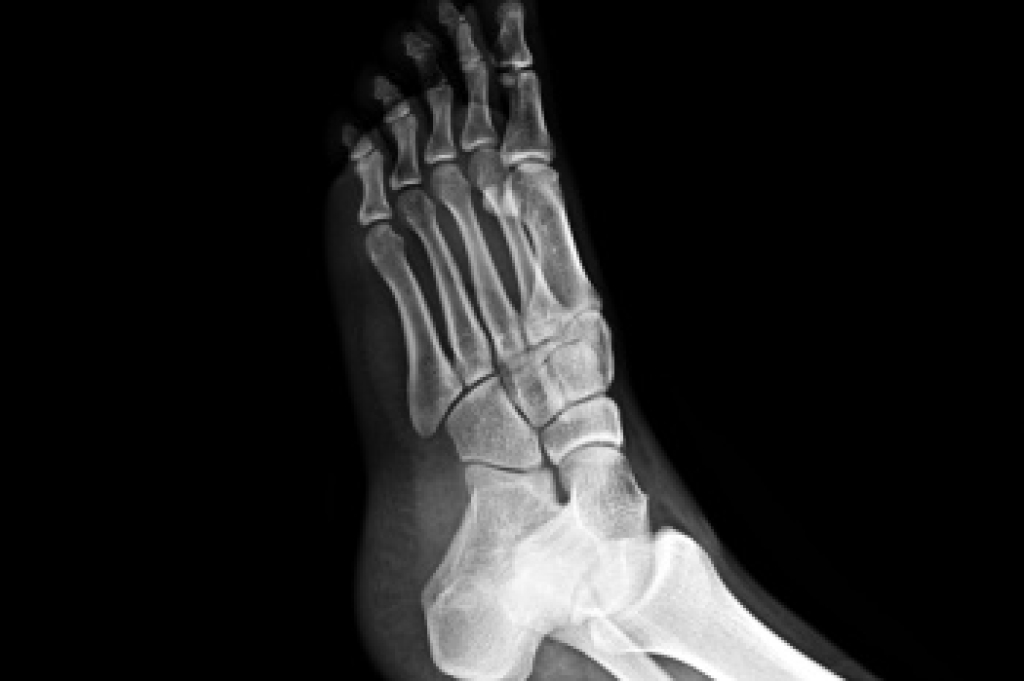
The MTP joints, also called metatarsophalangeal joints, connect the long bones of the foot to the toes and play a key role in walking and balance. Problems in these joints can develop from repeated stress, poor foot mechanics, or conditions like arthritis. Pain often appears at the base of the toes and may include swelling, stiffness, or a feeling of limited motion. Risk factors include wearing tight shoes, high impact activities, and structural issues like bunions. Over time, joint irritation can lead to inflammation and changes in how weight is distributed across the foot. A podiatrist can examine joint function, order imaging if needed, and provide custom orthotics or targeted care to relieve pressure and improve movement. If you have this type of foot pain, it is suggested that you consult a podiatrist who can offer effective relief and treatment solutions.  

Foot Pain

Foot pain can be extremely painful and debilitating. If you have a foot pain, consult with Dr. Kirk Sherris from Liberty Bay Foot & Ankle. Our doctor will assess your condition and provide you with quality foot and ankle treatment.

Causes

Foot pain is a very broad condition that could be caused by one or more ailments. The most common include:

  • Bunions
  • Hammertoes
  • Plantar Fasciitis
  • Bone Spurs
  • Corns
  • Tarsal Tunnel Syndrome
  • Ingrown Toenails
  • Arthritis (such as Gout, Rheumatoid, and Osteoarthritis)
  • Flat Feet
  • Injury (from stress fractures, broken toe, foot, ankle, Achilles tendon ruptures, and sprains)
  • And more

Diagnosis

To figure out the cause of foot pain, podiatrists utilize several different methods. This can range from simple visual inspections and sensation tests to X-rays and MRI scans. Prior medical history, family medical history, and any recent physical traumatic events will all be taken into consideration for a proper diagnosis.

Treatment

Treatment depends upon the cause of the foot pain. Whether it is resting, staying off the foot, or having surgery; podiatrists have a number of treatment options available for foot pain.

If you have any questions, please feel free to contact our offices located in Poulsbo and Port Townsend, WA . We offer the newest diagnostic and treatment technologies for all your foot care needs.

Read more about Foot Pain

Puncture Wounds Underfoot

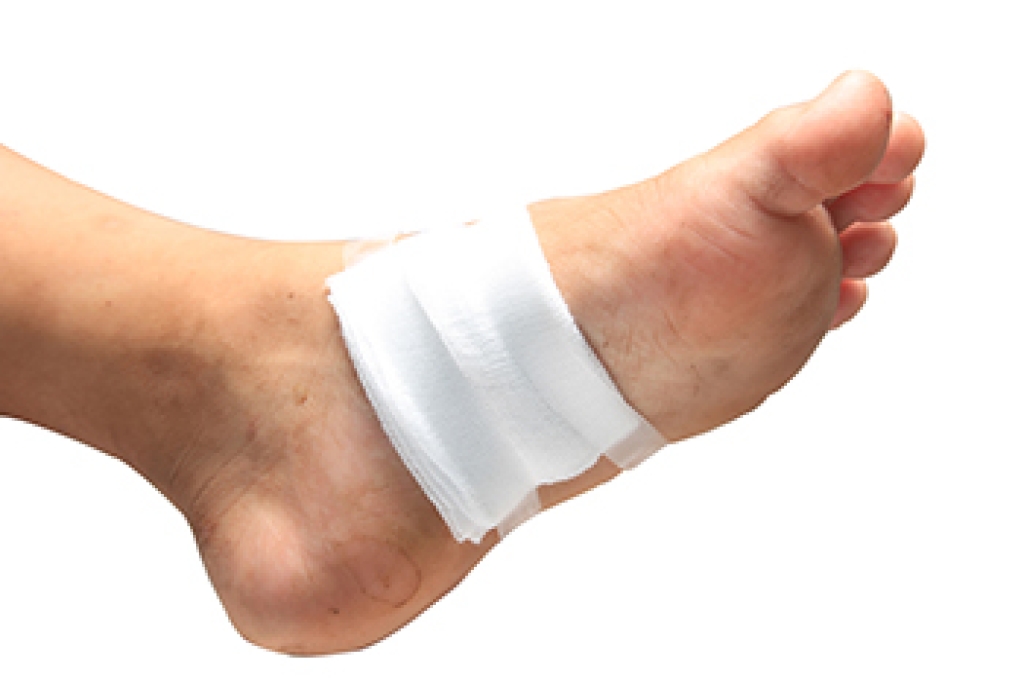
A puncture wound on the foot is a deep injury caused by a sharp object breaking through the skin, such as a nail, splinter, tack, or piece of glass. These injuries may look small on the surface, but damage can extend deeper into soft tissue, joints, or even bone. Because the opening is narrow, bacteria can become trapped inside, raising the risk of infection. People with diabetes, circulation concerns, or a reduced feeling in the feet may face greater complications. A podiatrist can examine how deep the injury goes, check for hidden debris, evaluate for infection, and order imaging, if needed. Treatment may include wound cleaning, pressure relief, infection management, and close monitoring to support healing and prevent more serious problems. If you have a puncture wound on your foot, especially with pain, redness, or swelling, it is strongly suggested that you visit a podiatrist for effective treatment solutions.

Wound care is an important part in dealing with diabetes. If you have diabetes and a foot wound or would like more information about wound care for diabetics, consult with Dr. Kirk Sherris from Liberty Bay Foot & Ankle. Our doctor will assess your condition and provide you with quality foot and ankle treatment.

What Is Wound Care?

Wound care is the practice of taking proper care of a wound. This can range from the smallest to the largest of wounds. While everyone can benefit from proper wound care, it is much more important for diabetics. Diabetics often suffer from poor blood circulation which causes wounds to heal much slower than they would in a non-diabetic. 

What Is the Importance of Wound Care?

While it may not seem apparent with small ulcers on the foot, for diabetics, any size ulcer can become infected. Diabetics often also suffer from neuropathy, or nerve loss. This means they might not even feel when they have an ulcer on their foot. If the wound becomes severely infected, amputation may be necessary. Therefore, it is of the upmost importance to properly care for any and all foot wounds.

How to Care for Wounds

The best way to care for foot wounds is to prevent them. For diabetics, this means daily inspections of the feet for any signs of abnormalities or ulcers. It is also recommended to see a podiatrist several times a year for a foot inspection. If you do have an ulcer, run the wound under water to clear dirt from the wound; then apply antibiotic ointment to the wound and cover with a bandage. Bandages should be changed daily and keeping pressure off the wound is smart. It is advised to see a podiatrist, who can keep an eye on it.

If you have any questions please contact our offices located in Poulsbo and Port Townsend, WA . We offer the newest diagnostic and treatment technologies for all your foot and ankle needs.

Read more about Wound Care

Gout Pain Can Be Managed

Gout is a painful, inflammatory form of arthritis. Those affected will typically feel an intense stiffness in the joints of their feet, particularly in the big toe. Schedule a visit to learn about how gout can be managed and treated.

Connect with us