Blog

Toe Stretches May Help Hammertoe

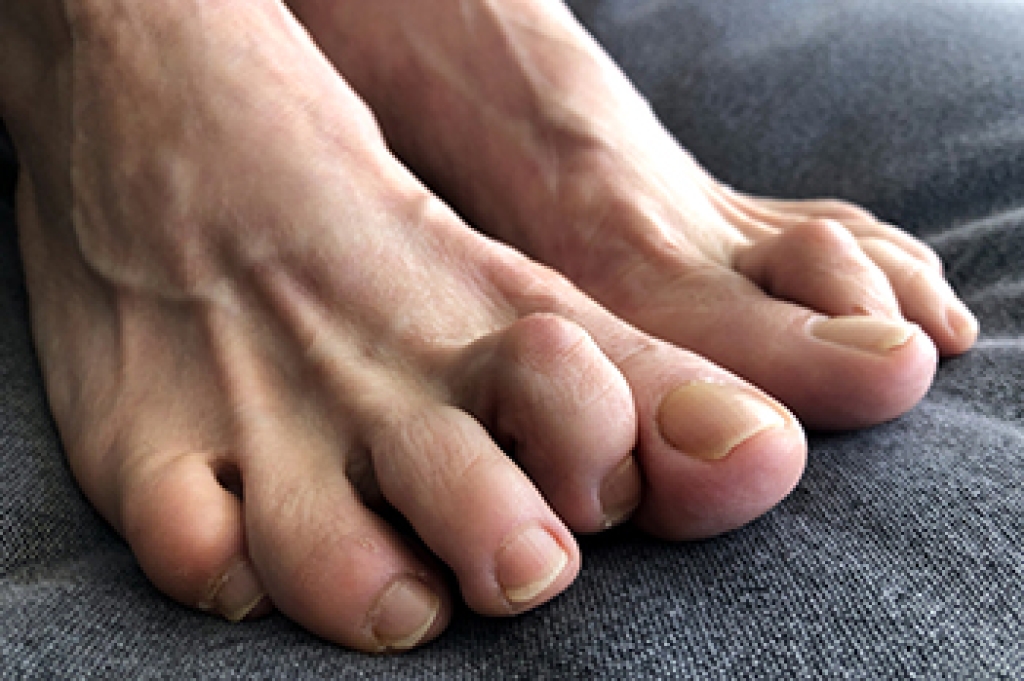
The foot condition known as hammertoe is easy to notice. It causes the second or third toe to bend downward at the tip, forcing the toe upward at the middle joint resembling a hammer. It is considered to be a deformity and corns may develop on top of the joint as it rubs against the shoe. Additional symptoms may include swollen toes, pain in the affected joint, and difficulty walking. Practicing toe stretches can be an effective hammertoe exercise. This is done by getting into a runner’s starting position and shifting the body’s weight over the toes. Hold for several seconds while the toes are pressed against the floor. Another exercise is called toe flexion and extension and starts with sitting with the legs straight out. After placing the affected foot over the opposite knee, the toes can be pulled back and pointed as best as possible. This may be difficult to accomplish, depending on the severity of the hammertoe. If you are afflicted with this condition, you must be under the care of a podiatrist who can help you with proper treatment which may include surgery to permanently straighten the toes.

Hammertoe

Hammertoes can be a painful condition to live with. For more information, contact Dr. Kirk Sherris from Liberty Bay Foot & Ankle. Our doctor will answer any of your foot- and ankle-related questions.

Hammertoe is a foot deformity that affects the joints of the second, third, fourth, or fifth toes of your feet. It is a painful foot condition in which these toes curl and arch up, which can often lead to pain when wearing footwear.

Symptoms

  • Pain in the affected toes
  • Development of corns or calluses due to friction
  • Inflammation
  • Redness
  • Contracture of the toes

Causes

Genetics – People who are genetically predisposed to hammertoe are often more susceptible

Arthritis – Because arthritis affects the joints in your toes, further deformities stemming from arthritis can occur

Trauma – Direct trauma to the toes could potentially lead to hammertoe

Ill-fitting shoes – Undue pressure on the front of the toes from ill-fitting shoes can potentially lead to the development of hammertoe

Treatment

Orthotics – Custom made inserts can be used to help relieve pressure placed on the toes and therefore relieve some of the pain associated with it

Medications – Oral medications such as anti-inflammatories or NSAIDs could be used to treat the pain and inflammation hammertoes causes. Injections of corticosteroids are also sometimes used

Surgery – In more severe cases where the hammertoes have become more rigid, foot surgery is a potential option

If you have any questions, please feel free to contact our offices located in Poulsbo and Port Townsend, WA . We offer the newest diagnostic and treatment technologies for all your foot care needs.

Read more about What Are Hammertoes?

Bunions and Foot Baths

Bunions are a bony kind of bump that can develop on the outer side of the big toe or the pinky toe. Bunions have the potential to cause the individual a significant amount of discomfort. Bunions are typically something that patients will want to treat, and there are many ways in which one might go about treating their bunions. For example, an individual with bunions might choose to use the power of foot baths. Sometimes, individuals suffering from bunions can experience some kind of stiffness in their big toes due to the bunion. Immersing the feet in a warm foot bath can significantly help to mitigate feelings of stiffness. If a warm bath for the feet is not possible, then one might substitute a warm foot bath with a steamed towel. It usually helps if the towel is moist as well. If you are suffering from bunions, contact a podiatrist today for an appointment.

If you are suffering from bunions, contact Dr. Kirk Sherris of Liberty Bay Foot & Ankle. Our doctor can provide the care you need to keep you pain-free and on your feet.

What Is a Bunion?

A bunion is formed of swollen tissue or an enlargement of boney growth, usually located at the base joint of the toe that connects to the foot. The swelling occurs due to the bones in the big toe shifting inward, which impacts the other toes of the foot. This causes the area around the base of the big toe to become inflamed and painful.

Why Do Bunions Form?

Genetics – Susceptibility to bunions are often hereditary

Stress on the feet – Poorly fitted and uncomfortable footwear that places stress on feet, such as heels, can worsen existing bunions

How Are Bunions Diagnosed?

Podiatrists often perform two tests – blood tests and x-rays – when trying to diagnose bunions, especially in the early stages of development. Blood tests help determine if the foot pain is being caused by something else, such as arthritis, while x-rays provide a clear picture of your bone structure to your provider.

How Are Bunions Treated?

  • Refrain from wearing heels or similar shoes that cause discomfort
  • Select wider shoes that can provide more comfort and reduce pain
  • Anti-inflammatory and pain management drugs
  • Orthotics or foot inserts
  • Surgery

If you have any questions, please feel free to contact our offices located in Poulsbo and Port Townsend, WA . We offer the newest diagnostic and treatment technologies for all your foot care needs.

Read more about What Are Bunions?

Medication May Be Necessary to Rid Toenail Fungus

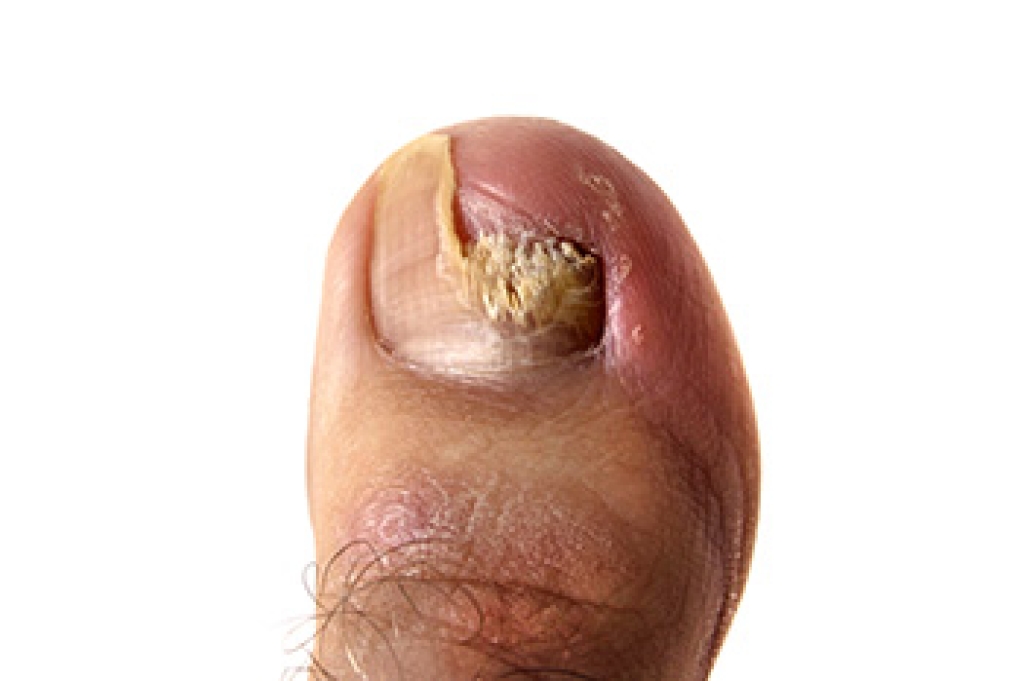
Toenail fungus is a nail infection that is characterized by nails that become brittle, yellow, and generally unsightly. In severe cases, the fungus may cause the nail to fall off, and a new nail will grow that forms underneath it. Additionally, common symptoms include a change in the nail shape, and debris may be trapped under the nail. There are specific medical conditions that may put a patient at a greater risk for developing toenail fungus. These can include immune system disorders, genetic factors, or possibly from being diabetic. Many people decide to seek treatment for their toenail fungus, which generally consists of taking prescribed oral and cream medication, and laser treatment may be considered. If you have toenail fungus, it will typically worsen if prompt treatment is not sought. Please contact a podiatrist who can effectively treat toenail fungus.

For more information about treatment, contact Dr. Kirk Sherris of Liberty Bay Foot & Ankle. Our doctor can provide the care you need to keep you pain-free and on your feet.

Toenail Fungus Treatment

Toenail fungus is a condition that affects many people and can be especially hard to get rid of. Fortunately, there are several methods to go about treating and avoiding it.

Antifungals & Deterrence

Oral antifungal medicine has been shown to be effective in many cases. It is important to consult with a podiatrist to determine the proper regiment for you, or potentially explore other options.

Applying foot powder on the feet and shoes helps keep the feet free of moisture and sweat.

Sandals or open toed shoes – Wearing these will allow air movement and help keep feet dry. They also expose your feet to light, which fungus cannot tolerate. Socks with moisture wicking material also help as well.

If you have any questions please contact our offices located in Poulsbo and Port Townsend, WA . We offer the newest diagnostic and treatment technologies for all your foot and ankle needs.

Read more about Toenail Fungus

Reminder: When Was the Last Time...?

Custom orthotics, or shoe inserts, should be periodically replaced. Orthotics must fit properly to give you the best results. Protect your feet and ankles!

Ankle Sprains and Jumping Rope

Jumping rope is one of the most common and popular forms of exercise among young children. Many adults also partake in jumping rope as an easy way to burn calories. However, sometimes engaging in this activity can put someone at an increased risk of developing certain foot injuries. For example, jumping rope without proper form can increase one’s risk of developing an ankle sprain. Commonly, even the most experienced rope jumpers will land awkwardly or dangerously while jumping rope. Sometimes when an individual lands incorrectly, the ankle ligaments can become stressed or even torn. This is what can ultimately contribute to ankle injuries such as ankle sprains. As a result, the ankle may even demonstrate some swelling or cause the person pain. Whenever you think that you might have sprained your ankle, it is always best to err on the side of caution and schedule an appointment with a podiatrist who can assist you. 

Ankle sprains are common but need immediate attention. If you need your feet checked, contact Dr. Kirk Sherris from Liberty Bay Foot & Ankle. Our doctor can provide the care you need to keep you pain-free and on your feet.

How Does an Ankle Sprain Occur?

Ankle sprains take place when the ligaments in your ankle are torn or stretched beyond their limits. There are multiple ways that the ankle can become injured, including twisting or rolling over onto your ankle, putting undue stress on it, or causing trauma to the ankle itself.

What Are the Symptoms?

  • Mild to moderate bruising
  • Limited mobility
  • Swelling
  • Discoloration of the skin (depending on severity)

Preventing a Sprain

  • Wearing appropriate shoes for the occasion
  • Stretching before exercises and sports
  • Knowing your limits

Treatment of a Sprain

Treatment of a sprain depends on the severity.  Many times, people are told to rest and remain off their feet completely, while others are given an air cast. If the sprain is very severe, surgery may be required.

If you have suffered an ankle sprain previously, you may want to consider additional support such as a brace and regular exercises to strengthen the ankle.

If you have any questions please feel free to contact our offices located in Poulsbo and Port Townsend, WA . We offer the newest diagnostic tools and technology to treat your foot and ankle needs.

Read more about Three Grades of Ankle Sprains
Connect with us