Blog

Haglund’s Deformity and Heel Irritation

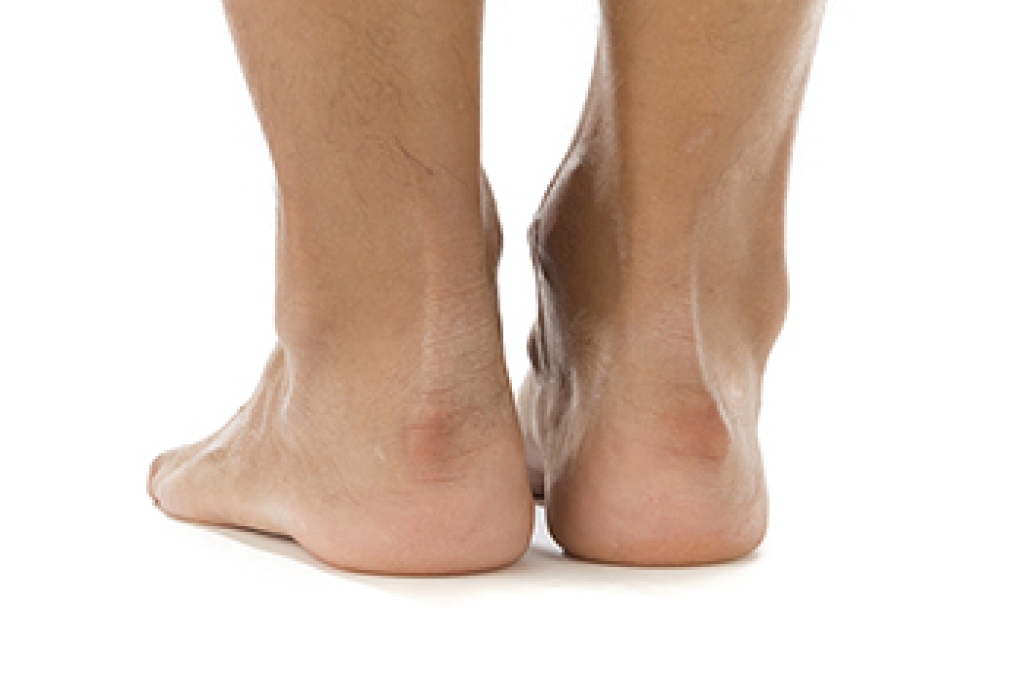
Haglund’s deformity involves a bony enlargement on the back of the heel that can lead to irritation and discomfort. This bump forms at the attachment of the Achilles tendon, which helps the foot point downward, and plays a key role in walking and movement. The condition is often aggravated by  wearing rigid or tight shoes that create repeated friction against the heel. The area may become red, swollen, and tender, and a noticeable bump may develop. Some individuals also experience inflammation of the surrounding soft tissue, making activity or certain footwear uncomfortable. A podiatrist can examine the shape of the heel and check for signs of irritation. Imaging tests may be used if more detail is needed. Treatment options include shoe modifications, padding, orthotics, and targeted exercises. More persistent cases may require advanced care. If you are experiencing heel pain related to Haglund’s deformity, it is suggested that you schedule an appointment with a podiatrist for an accurate diagnose and appropriate relief and treatment solutions.

Many people suffer from bouts of heel pain. For more information, contact Dr. Kirk Sherris of Liberty Bay Foot & Ankle. Our doctor can provide the care you need to keep you pain-free and on your feet.

Causes of Heel Pain

Heel pain is often associated with plantar fasciitis. The plantar fascia is a band of tissues that extends along the bottom of the foot. A rip or tear in this ligament can cause inflammation of the tissue.

Achilles tendonitis is another cause of heel pain. Inflammation of the Achilles tendon will cause pain from fractures and muscle tearing. Lack of flexibility is also another symptom.

Heel spurs are another cause of pain. When the tissues of the plantar fascia undergo a great deal of stress, it can lead to ligament separation from the heel bone, causing heel spurs.

Why Might Heel Pain Occur?

  • Wearing ill-fitting shoes                
  • Wearing non-supportive shoes
  • Weight change           
  • Excessive running

Treatments

Heel pain should be treated as soon as possible for immediate results. Keeping your feet in a stress-free environment will help. If you suffer from Achilles tendonitis or plantar fasciitis, applying ice will reduce the swelling. Stretching before an exercise like running will help the muscles. Using all these tips will help make heel pain a condition of the past.

If you have any questions, please feel free to contact our offices located in Poulsbo and Port Townsend, WA . We offer the newest diagnostic and treatment technologies for all your foot care needs.

Read more about Heel Pain

Causes and Risk Factors for Ingrown Toenails

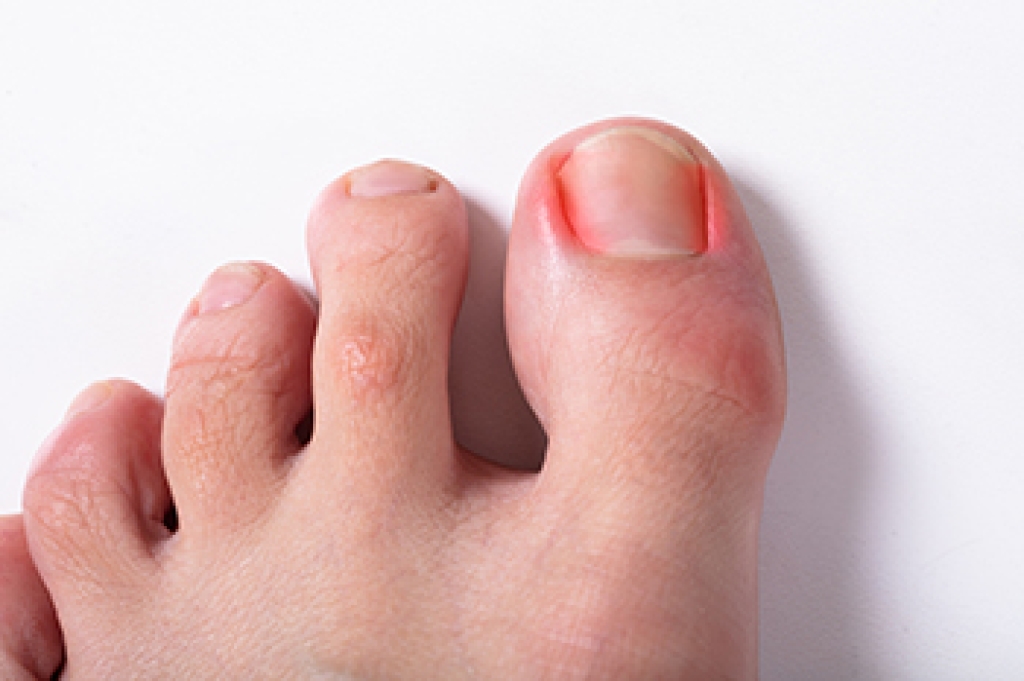
Ingrown toenails develop when the edge of a nail grows into the surrounding skin, leading to pain, swelling, and possible infection. An ingrown toenail usually affects the big toe, which can become infected if ignored. Causes include cutting nails too short, rounding the corners, or wearing tight shoes that crowd the toes. Excess moisture from sweaty feet can soften the skin, making it easier for the nail to penetrate. Some people inherit curved toenails that increase risk, while conditions like diabetes or poor circulation can slow healing and raise the chance of infection. Signs of ingrown toenails include redness, drainage, or overgrown tissue along the nail edge. A podiatrist can evaluate the toenail, relieve pressure, remove the problem portion of the nail, and address infection to prevent complications. If you have a painful ingrown toenail, it is suggested that you make an appointment with a podiatrist for treatment.

Ingrown toenails may initially present themselves as a minor discomfort, but they may progress into an infection in the skin without proper treatment. For more information about ingrown toenails, contact Dr. Kirk Sherris of Liberty Bay Foot & Ankle. Our doctor can provide the care you need to keep you pain-free and on your feet.

Ingrown Toenails

Ingrown toenails are caused when the corner or side of a toenail grows into the soft flesh surrounding it. They often result in redness, swelling, pain, and in some cases, infection. This condition typically affects the big toe and may recur if it is not treated properly.

Causes

  • Improper toenail trimming
  • Genetics
  • Improper shoe fitting
  • Injury from pedicures or nail picking
  • Abnormal gait
  • Poor hygiene

You are more likely to develop an ingrown toenail if you are obese, have diabetes, arthritis, or have any fungal infection in your nails. Additionally, people who have foot or toe deformities are at a higher risk of developing an ingrown toenail.

Symptoms

Some symptoms of ingrown toenails are redness, swelling, and pain. In rare cases, there may be a yellowish drainage coming from the nail.

Treatment

Ignoring an ingrown toenail can have serious complications. Infections of the nail border can progress to a deeper soft-tissue infection, which can then turn into a bone infection. You should always speak with your podiatrist if you suspect you have an ingrown toenail, especially if you have diabetes or poor circulation.

If you have any questions, please feel free to contact our offices located in Poulsbo and Port Townsend, WA . We offer the newest diagnostic and treatment technologies for all your foot care needs.

Read more about Ingrown Toenail Care

Minimally Invasive Surgery for Long-Lasting Heel Pain

Persistent heel pain on the bottom of the foot can make walking and standing difficult, over time. When rest, stretching, and other non-surgical treatments do not provide relief, a minimally invasive procedure may be considered. This type of treatment uses small instruments and a camera to view and treat the problem area through tiny openings in the skin. The goal is to release tight tissue and reduce strain on the heel. Because the openings are small, there is often less disruption to surrounding structures and a shorter recovery period compared to traditional surgery. Many patients are able to return to daily activities more quickly with proper guidance. Not every case requires this approach, and careful evaluation is important. If heel pain continues despite treatment, it is suggested that you see a podiatrist to discuss appropriate options and next steps.

Foot surgery is sometimes necessary to treat a foot ailment. To learn more, contact Dr. Kirk Sherris of Liberty Bay Foot & Ankle. Our doctor will assist you with all of your foot and ankle needs.

When Is Surgery Necessary?

Foot and ankle surgery is generally reserved for cases in which less invasive, conservative procedures have failed to alleviate the problem. Some of the cases in which surgery may be necessary include:

  • Removing foot deformities like bunions and bone spurs
  • Severe arthritis that has caused bone issues
  • Cosmetic reconstruction

What Types of Surgery Are There?

The type of surgery you receive will depend on the nature of the problem you have. Some of the possible surgeries include:

  • Bunionectomy for painful bunions
  • Surgical fusion for realignment of bones
  • Neuropathy decompression surgery to treat nerve damage

Benefits of Surgery

Although surgery is usually a last resort, it can provide more complete pain relief compared to non-surgical methods and may allow you to finally resume full activity.

Surgical techniques have also become increasingly sophisticated. Techniques like endoscopic surgery allow for smaller incisions and faster recovery times.

If you have any questions, please feel free to contact our offices located in Poulsbo and Port Townsend, WA . We offer the newest diagnostic and treatment technologies for all your foot care needs.
Read more about Foot Surgery

Are Bunions Affecting Your Everyday Life?

Have you noticed a bony protrusion on the side of your big toe? If so, you may have developed the foot condition known as a bunion. Don't let bunions interfere with your daily activities.

Recognizing Toenail Fungus

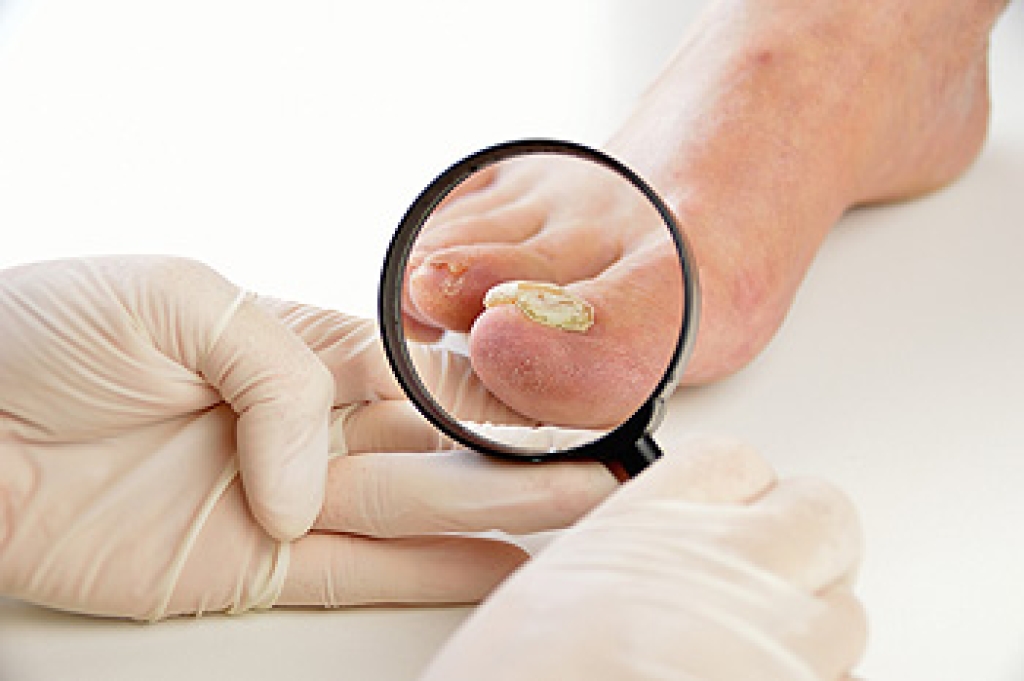
Toenail fungus is a common infection that affects the nails of the feet. It develops when tiny living organisms called fungi enter the nail through small cracks in the nail or surrounding skin. These organisms grow best in warm, moist places, which makes the inside of shoes an ideal environment. Early signs of toenail fungus include yellow, white, or brown discoloration of the nail. The nail may also become thick, brittle, or crumbly. In some cases, the nail may begin to separate from the skin beneath it, which can cause discomfort when wearing shoes. Although the infection may start as a minor cosmetic concern, it can gradually worsen and affect more of the nail if it is not treated. A podiatrist is trained to identify toenail fungus and determine the severity of the infection. They can recommend medical treatments that target the infection and help restore nail health. If you notice changes in your toenails, it is suggested that you make an appointment with a podiatrist for an exam, diagnosis, and treatment.

For more information about treatment, contact Dr. Kirk Sherris of Liberty Bay Foot & Ankle. Our doctor can provide the care you need to keep you pain-free and on your feet.

Toenail Fungus Treatment

Toenail fungus is a condition that affects many people and can be especially hard to get rid of. Fortunately, there are several methods to go about treating and avoiding it.

Antifungals & Deterrence

Oral antifungal medicine has been shown to be effective in many cases. It is important to consult with a podiatrist to determine the proper regiment for you, or potentially explore other options.

Applying foot powder on the feet and shoes helps keep the feet free of moisture and sweat.

Sandals or open toed shoes – Wearing these will allow air movement and help keep feet dry. They also expose your feet to light, which fungus cannot tolerate. Socks with moisture wicking material also help as well.

If you have any questions please contact our offices located in Poulsbo and Port Townsend, WA . We offer the newest diagnostic and treatment technologies for all your foot and ankle needs.

Read more about Toenail Fungus
Connect with us