
Blog

Recognizing a Fungal Toenail Infection

A toenail infection, known as onychomycosis when caused by fungus, can affect the way your nails look and feel. Infected toenails often become thick, brittle, and discolored, turning yellow, brown, or even white in appearance. The surface may develop ridges, crumble at the edges, or lift away from the nail bed. Warm and damp environments, such as heavy work boots or locker room floors, can encourage fungal growth, making toenails particularly vulnerable. In addition to fungal infections, bacteria can also infect the nail, leading to swelling, redness, and discomfort around the nail fold. These changes may interfere with walking, cause pain when wearing shoes, or increase the risk of further foot problems. A podiatrist can perform an examination, remove a small sample of nail if needed, and determine the cause of the infection. Early treatment helps prevent complications and restores nail health. If you believe you have a toenail infection, it is suggested that you make an appointment with a podiatrist for a diagnosis and treatment.

If left untreated, toenail fungus may spread to other toenails, skin, or even fingernails. If you suspect you have toenail fungus it is important to seek treatment right away. For more information about treatment, contact Dr. Kirk Sherris of Liberty Bay Foot & Ankle. Our doctor can provide the care you need to keep you pain-free and on your feet.

Symptoms

  • Warped or oddly shaped nails
  • Yellowish nails
  • Loose/separated nail
  • Buildup of bits and pieces of nail fragments under the nail
  • Brittle, broken, thickened nail

Treatment

If self-care strategies and over-the-counter medications does not help your fungus, your podiatrist may give you a prescription drug instead. Even if you find relief from your toenail fungus symptoms, you may experience a repeat infection in the future.

Prevention

In order to prevent getting toenail fungus in the future, you should always make sure to wash your feet with soap and water. After washing, it is important to dry your feet thoroughly especially in between the toes. When trimming your toenails, be sure to trim straight across instead of in a rounded shape. It is crucial not to cover up discolored nails with nail polish because that will prevent your nail from being able to “breathe”.

In some cases, surgical procedure may be needed to remove the toenail fungus. Consult with your podiatrist about the best treatment options for your case of toenail fungus.  

If you have any questions please contact our offices located in Poulsbo and Port Townsend, WA . We offer the newest diagnostic and treatment technologies for all your foot and ankle needs.

Read more about How to Treat Your Toenail Fungus

Understanding Problems That Affect the Toes

The toes endure daily pressure with every step, which makes them vulnerable to a wide range of injuries and conditions. Sudden trauma, such as stubbing the toe or dropping something heavy on the foot, may result in fractures, sprains, or nail damage. Ongoing stress can cause painful calluses, corns, or ingrown toenails. Over time, structural changes like hammertoes and bunions may develop, leading to discomfort and difficulty wearing certain shoes. Arthritis can also target the joints of the toes, creating stiffness and swelling that interfere with mobility. Even minor toe problems can worsen if overlooked, sometimes leading to more serious complications. Early recognition and proper care are essential in keeping feet healthy and functional. If you experience lasting pain or visible changes in your toes, it is suggested that you schedule a visit with a podiatrist for an expert evaluation and appropriate treatment.

Toe pain can disrupt your daily activities. If you have any concerns, contact Dr. Kirk Sherris of Liberty Bay Foot & Ankle. Our doctor can provide the care you need to keep you pain-free and on your feet.

What Causes Toe Pain?

Most severe toe pain is caused due to a sports injury, trauma from dropping something heavy on the toe, or bumping into something rigid. Other problems can develop over time for various reasons.

Toe pain can be caused by one or more ailments. The most common include:

  • Trauma
  • Sports injury
  • Wearing shoes that are too tight
  • Arthritis
  • Gout
  • Corns and calluses
  • Hammertoe
  • Bunions
  • Blisters
  • Ingrown toenails
  • Sprains
  • Fractures (broken bones)
  • Dislocations

When to See a Podiatrist

  • Severe pain
  • Persistent pain that lasts more than a week
  • Signs of infection
  • Continued swelling
  • Pain that prevents walking

Diagnosis

In many cases the cause of toe pain is obvious, but in others, a podiatrist may want to use more advanced methods to determine the problem. These can range from simple visual inspections and sensation tests to X-rays and MRI scans. Prior medical history, family medical history, and any recent physical traumatic events will all be taken into consideration for a proper diagnosis.

Treatment

Treatments for toe pain and injuries vary and may include shoe inserts, padding, taping, medicines, injections, and in some cases, surgery. If you believe that you have broken a toe, please see a podiatrist as soon as possible.

If you have any questions please contact our offices located in Poulsbo and Port Townsend, WA . We offer the newest diagnostic and treatment technologies for all your foot and ankle needs.

Read more about Toe Pain

Peripheral Artery Disease and the Feet

Peripheral artery disease, or PAD, affects the blood vessels that deliver oxygen-rich blood to the legs and feet. The narrowing of these arteries can cause serious complications in the lower limbs. When blood flow to the feet is restricted, symptoms such as pain while walking, coldness, tingling, or numbness may develop. Cuts or sores on the feet and ankles may take longer to heal, raising the risk of infection and tissue damage. People with diabetes are at an even higher risk of peripheral artery disease, as high blood sugar can further damage blood vessels and reduce circulation. In advanced cases, untreated PAD can contribute to ulcer formation and limb loss. A podiatrist can evaluate circulation in the feet, identify early warning signs, and recommend effective treatment to restore blood flow and protect against further damage. If you have symptoms of peripheral artery disease that are affecting your feet, it is suggested that you schedule an appointment with a podiatrist for an evaluation and appropriate treatment options.

Peripheral artery disease can pose a serious risk to your health. It can increase the risk of stroke and heart attack. If you have symptoms of peripheral artery disease, consult with Dr. Kirk Sherris from Liberty Bay Foot & Ankle. Our doctor will assess your condition and provide you with quality foot and ankle treatment.

Peripheral artery disease (PAD) is when arteries are constricted due to plaque (fatty deposits) build-up. This results in less blood flow to the legs and other extremities. The main cause of PAD is atherosclerosis, in which plaque builds up in the arteries.

Symptoms

Symptoms of PAD include:

  • Claudication (leg pain from walking)
  • Numbness in legs
  • Decrease in growth of leg hair and toenails
  • Paleness of the skin
  • Erectile dysfunction
  • Sores and wounds on legs and feet that won’t heal
  • Coldness in one leg

It is important to note that a majority of individuals never show any symptoms of PAD.

Diagnosis

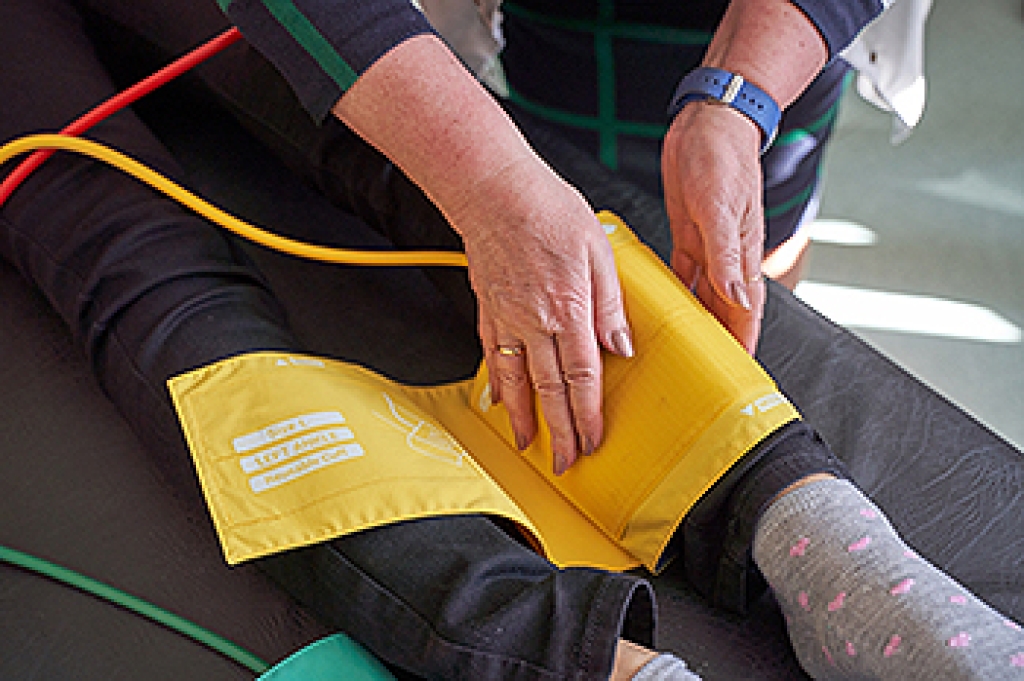
While PAD occurs in the legs and arteries, Podiatrists can diagnose PAD. Podiatrists utilize a test called an ankle-brachial index (ABI). An ABI test compares blood pressure in your arm to you ankle to see if any abnormality occurs. Ultrasound and imaging devices may also be used.

Treatment

Fortunately, lifestyle changes such as maintaining a healthy diet, exercising, managing cholesterol and blood sugar levels, and quitting smoking, can all treat PAD. Medications that prevent clots from occurring can be prescribed. Finally, in some cases, surgery may be recommended.

If you have any questions, please feel free to contact our offices located in Poulsbo and Port Townsend, WA . We offer the newest diagnostic and treatment technologies for all your foot care needs.

Read more about Peripheral Artery Disease

Life After an Ankle Fracture

Healing from an ankle fracture does not end when the cast or boot comes off. This stage is when the real work begins. The ankle may feel stiff, weak, or unsteady, and it takes patience to restore full strength and movement. Gentle exercises help improve flexibility and prevent the joint from becoming rigid. Wearing supportive footwear can make walking safer and more comfortable, while avoiding uneven surfaces reduces the risk of another injury. Swelling can linger for weeks, so elevating the foot and using cold therapy may still be helpful. Some people benefit from targeted exercises to rebuild balance and coordination. Listening to the body and progressing slowly allows the ankle to recover without unnecessary setbacks. Careful attention during this period supports long term mobility and helps prevent future problems. If you need help with recovery or it stalls, it is suggested that you see a podiatrist for expert advice.

Broken ankles need immediate treatment. If you are seeking treatment, contact Dr. Kirk Sherris from Liberty Bay Foot & Ankle. Our doctor can provide the care you need to keep you pain-free and on your feet. 

Broken Ankles
A broken ankle is experienced when a person fractures their tibia or fibula in the lower leg and ankle area. Both of these bones are attached at the bottom of the leg and combine to form what we know to be our ankle.

When a physician is referring to a break of the ankle, he or she is usually referring to a break in the area where the tibia and fibula are joined to create our ankle joint. Ankles are more prone to fractures because the ankle is an area that suffers a lot of pressure and stress. There are some obvious signs when a person experiences a fractured ankle, and the following symptoms may be present.

Symptoms of a Fractured Ankle

  • Excessive pain when the area is touched or when any pressure is placed on the ankle
  • Swelling around the area
  • Bruising of the area
  • Area appears to be deformed

If you suspect an ankle fracture, it is recommended to seek treatment as soon as possible. The sooner you have your podiatrist diagnose the fracture, the quicker you’ll be on the way towards recovery.

If you have any questions, please feel free to contact our offices located in Poulsbo and Port Townsend, WA . We offer the newest diagnostic and treatment technologies for all your foot care needs.

Read more about All About Broken Ankles

Plantar Warts Can Be Treated!

Plantar warts are small growths that develop on parts of the feet that bear weight. They're typically found on the bottom of the foot. Don't live with plantar warts, and call us today!

Connect with us