Blog

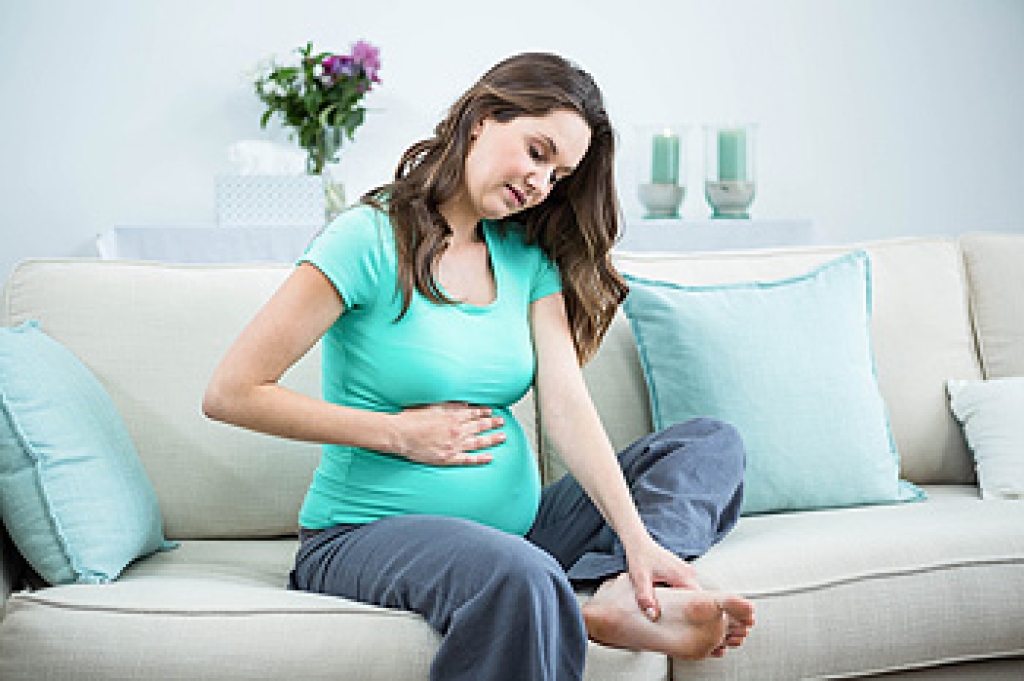
Swollen Feet are Common During Pregnancy

A common ailment that many pregnant women is swollen ankles. Mild swelling is considered to be normal during pregnancy, and can happen as a result of pressure the growing baby exerts on the body. Relief can be found by elevating the feet as often as possible, and it can help to sleep on the left side. Additionally, drinking plenty of fresh water, exercising regularly, and avoiding crossing the legs may bring comfort during pregnancy. Swimming can be beneficial as it keeps the body cool while exercising. If your feet are uncomfortable during pregnancy, and completing daily activities becomes difficult, please consult with a podiatrist who can examine the feet, and offer additional comfort tips.

Pregnant women with swollen feet can be treated with a variety of different methods that are readily available. For more information about other cures for swollen feet during pregnancy, consult with Dr. Kirk Sherris from Liberty Bay Foot & Ankle. Our doctor will attend to all of your foot and ankle needs.

What Foot Problems Can Arise During Pregnancy?

One problem that can occur is overpronation, which occurs when the arch of the foot flattens and tends to roll inward.  This can cause pain and discomfort in your heels while you’re walking or even just standing up, trying to support your baby.  

Another problem is edema, or swelling in the extremities. This often affects the feet during pregnancy but tends to occur in the later stages. 

How Can I Keep My Feet Healthy During Pregnancy?

  • Wearing orthotics can provide extra support for the feet and help distribute weight evenly
  • Minimize the amount of time spent walking barefoot
  • Wear shoes with good arch support
  • Wear shoes that allow for good circulation to the feet
  • Elevate feet if you experience swelling
  • Massage your feet
  • Get regular, light exercise, such as walking, to promote blood circulation to the feet

If you have any questions, please feel free to contact our offices located in Poulsbo and Port Townsend, WA . We offer the newest diagnostic and treatment technologies for all your foot care needs.

Read more about Foot Care for Pregnant Women

Baby’s First Shoes and Walking

Many parents choose to have their babies wear shoes, despite the fact that research has indicated that shoes are unnecessary to wear until walking begins. At this time, the first shoes often consist of having a flexible and non-slip sole, in addition to fitting correctly. The shoe is ideal when it fits securely on the foot. This can be helpful in preventing stubbed toes, splinters, or broken toenails. There are certain foot conditions that children can develop that require the expertise of a podiatrist. If your child has ingrown toenails, walks on their toes, or doesn’t walk by 15 months, it is suggested that you schedule an appointment with a podiatrist.

Making sure that your children maintain good foot health is very important as they grow. If you have any questions, contact Dr. Kirk Sherris of Liberty Bay Foot & Ankle. Our doctor can provide the care you need to keep you pain-free and on your feet.

Keeping Children's Feet Healthy

Having healthy feet during childhood can help prevent medical problems later in life, namely in the back and legs. As children grow, their feet require different types of care. Here are some things to consider...

Although babies do not walk yet, it is still very important to take care of their feet.

Avoid putting tight shoes or socks on his or her feet.

Allow the baby to stretch and kick his or her feet to feel comfortable.

As a toddler, kids are now on the move and begin to develop differently. At this age, toddlers are getting a feel for walking, so don’t be alarmed if your toddler is unsteady or ‘walks funny’. 

As your child gets older, it is important to teach them how to take care of their feet.

Show them proper hygiene to prevent infections such as fungus.

Be watchful for any pain or injury.

Have all injuries checked by a doctor as soon as possible.

Comfortable, protective shoes should always be worn, especially at play.

If you have any questions, please feel free to contact our offices located in Poulsbo and Port Townsend, WA . We offer the newest diagnostic and treatment technologies for all your foot care needs.
Read more about What to Do to Keep Your Child’s Feet Healthy

Heel Pain Can Be Treated!

Do you suffer from heel pain when you get up in the morning? If so, you should seek professional help and have a proper diagnosis performed. Heel pain can be caused by several different foot-related conditions.

How to Know if You Have a Plantar Wart

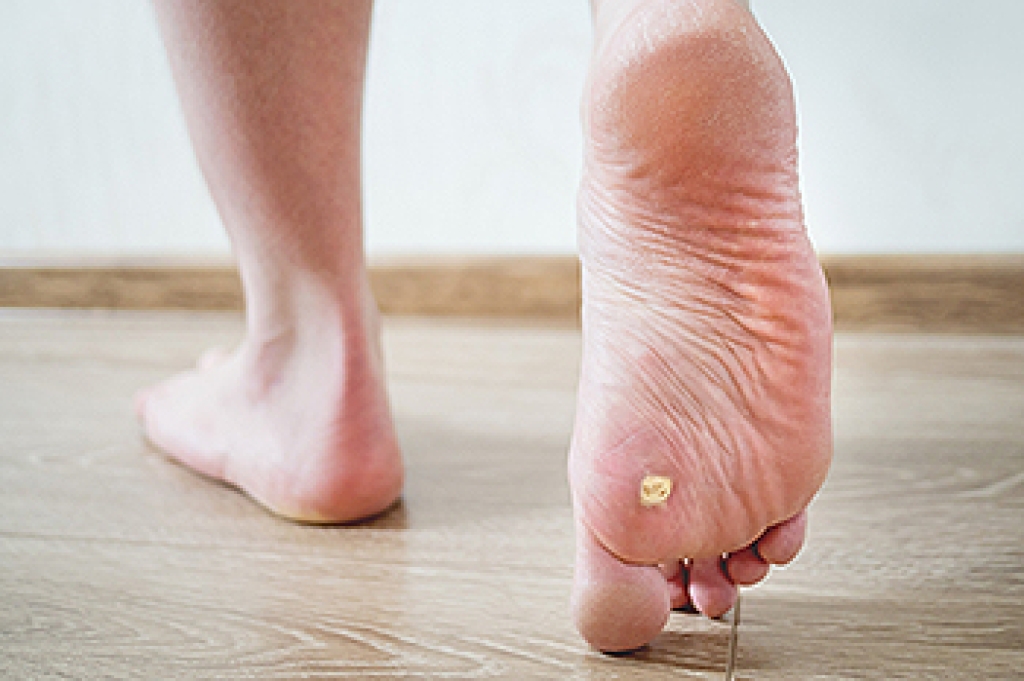
If you have a small growth or lesion near the base of your toes or bottom of the heel, you may have developed a plantar wart. Plantar warts are caused by HPV (human papillomavirus) which enters the foot through cuts or breaks in the skin on the bottom of the feet. These warts can grow beneath a callus on the foot if enough pressure is put on them. They can also cause pain or tenderness when standing or walking. Plantar warts are not particularly serious and may even go away on their own, but they can also remain, come back, or multiply. If you have a plantar wart, it is suggested that a qualified podiatrist examine your foot to verify the growth as well as provide treatments that increase your comfort.


Plantar warts can be very uncomfortable. If you need your feet checked, contact Dr. Kirk Sherris from Liberty Bay Foot & Ankle. Our doctor will assist you with all of your foot and ankle needs.

About Plantar Warts

Plantar warts are the result of HPV, or human papillomavirus, getting into open wounds on the feet. They are mostly found on the heels or balls of the feet.

While plantar warts are generally harmless, those experiencing excessive pain or those suffering from diabetes or a compromised immune system require immediate medical care. Plantar warts are easily diagnosed, usually through scraping off a bit of rough skin or by getting a biopsy.

Symptoms

  • Lesions on the bottom of your feet, usually rough and grainy
  • Hard or thick callused spots
  • Wart seeds, which are small clotted blood vessels that look like little black spots
  • Pain, discomfort, or tenderness of your feet when walking or standing

Treatment

  • Freezing
  • Electric tool removal
  • Laser Treatment
  • Topical Creams (prescription only)
  • Over-the-counter medications

To help prevent developing plantar warts, avoid walking barefoot over abrasive surfaces that can cause cuts or wounds for HPV to get into. Avoiding direct contact with other warts, as well as not picking or rubbing existing warts, can help prevent the further spread of plantar warts. However, if you think you have developed plantar warts, speak to your podiatrist. He or she can diagnose the warts on your feet and recommend the appropriate treatment options.

If you have any questions, please feel free to contact our offices located in Poulsbo and Port Townsend, WA . We offer the newest diagnostic and treatment technologies for all your foot care needs.
Read more about Plantar Warts

What to Do When Your Feet Are Burning

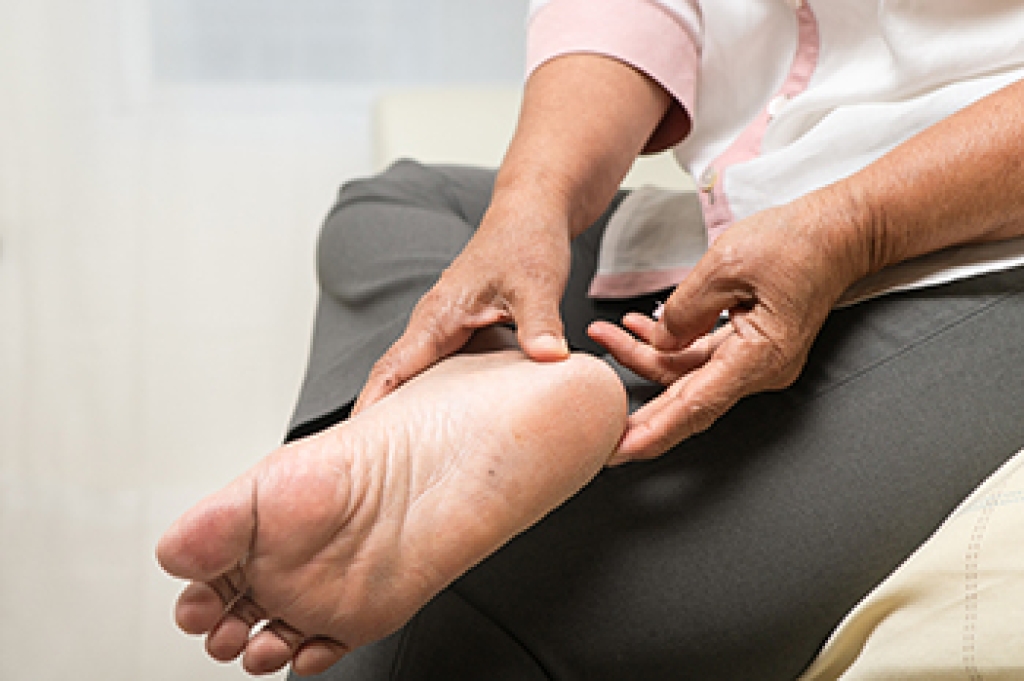
The sensation that your feet are uncomfortably hot and painful is commonly known as BFS, or burning feet syndrome. It is more common in the elderly, and the sensation is especially active at night. BFS can target both the sole and the top of your feet, as well as your ankles and legs. One of the main causes of BFS is diabetes, but others include heavy alcohol use, Charcot-Marie-Tooth disease (damage to peripheral nerves), and tarsal tunnel syndrome (nerve damage in the ankle). Depending on the underlying cause and the seriousness of the ailment, several home remedies may help. Among them are soaking your feet in cold water, in warm water with Epsom salts, or in apple cider vinegar; taking fish oil supplements; massaging with ginger oil; and applying numbing creams or patches to the affected area. A note of caution: If you are experiencing continuous burning feet syndrome, it is a good idea to visit a podiatrist who can assess the severity of your condition and offer further treatment options.

Proper foot care is something many older adults forget to consider. If you have any concerns about your feet and ankles, contact Dr. Kirk Sherris from Liberty Bay Foot & Ankle. Our doctor can provide the care you need to keep you pain-free and on your feet.

The Elderly and Their Feet

As we age we start to notice many changes in our body, but the elder population may not notice them right away. Medical conditions may prevent the elderly to take notice of their foot health right away. Poor vision is a lead contributor to not taking action for the elderly.

Common Conditions 

  • Neuropathy – can reduce feeling in the feet and can hide many life-threatening medical conditions.
  • Reduced flexibility – prevents the ability of proper toenail trimming, and foot cleaning. If left untreated, it may lead to further medical issues.
  • Foot sores – amongst the older population can be serious before they are discovered. Some of the problematic conditions they may face are:
  • Gouging toenails affecting nearby toe
  • Shoes that don’t fit properly
  • Pressure sores
  • Loss of circulation in legs & feet
  • Edema & swelling of feet and ankles

Susceptible Infections

Diabetes and poor circulation can cause general loss of sensitivity over the years, turning a simple cut into a serious issue.

If you have any questions, please feel free to contact our offices located in Poulsbo and Port Townsend, WA . We offer the newest diagnostic and treatment technologies for all your foot care needs.

Read more about Elderly and their Feet
Connect with us