Blog

Athlete's Foot or Dry Skin?

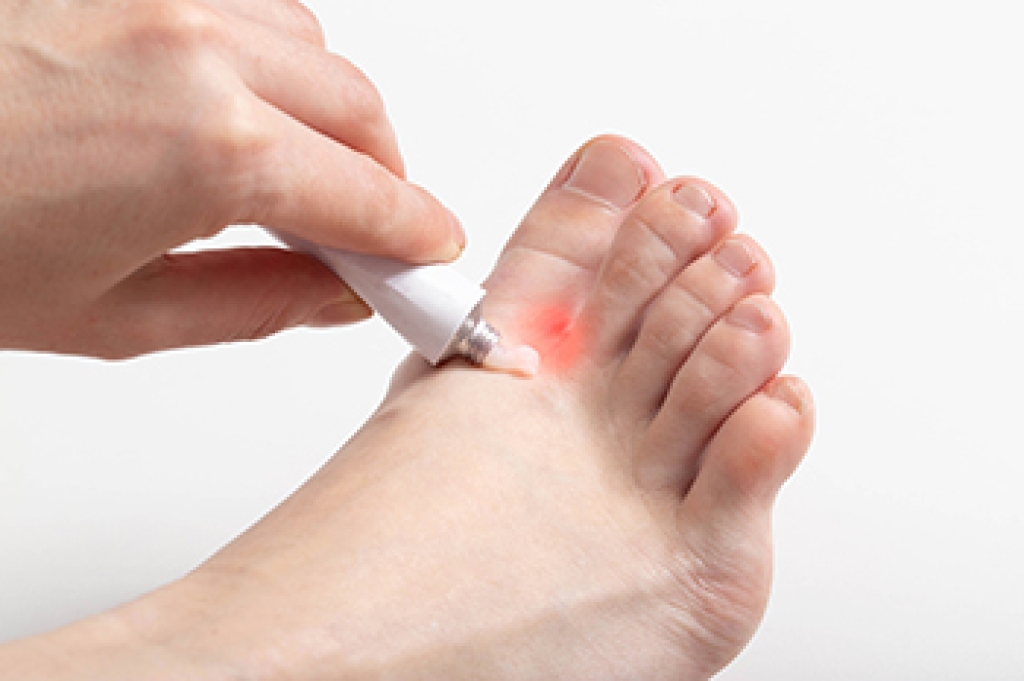
Anyone who is conscious about maintaining the health of their feet ought to be familiar with the important differences between mere dry skin on the feet and a case of athlete’s foot. The former condition does not always imply the existence of the latter. For example, if you have dry skin on your feet, you might notice a rough texture and even itching sensations. Sometimes dry skin is accompanied by cracked heels, also known as heel fissures. Athlete’s foot, on the other hand, is a kind of fungal infection that creates a red rash. Athlete’s foot can be contracted by walking around barefoot in highly trafficked public places, like locker rooms. Importantly, it is possible to have both dry skin and athlete’s foot at the same time. For more information about the difference between athlete’s foot and dry skin, contact a podiatrist today. This foot specialist will be able to answer any questions you might have.

Athlete’s foot is an inconvenient condition that can be easily reduced with the proper treatment. If you have any concerns about your feet and ankles, contact Dr. Kirk Sherris from Liberty Bay Foot & Ankle.  Our doctor will treat your foot and ankle needs.

Athlete’s Foot: The Sole Story

Athlete's foot, also known as tinea pedis, can be an extremely contagious foot infection. It is commonly contracted in public changing areas and bathrooms, dormitory style living quarters, around locker rooms and public swimming pools, or anywhere your feet often come into contact with other people.

Solutions to Combat Athlete’s Foot

  • Hydrate your feet by using lotion
  • Exfoliate
  • Buff off nails
  • Use of anti-fungal products
  • Examine your feet and visit your doctor if any suspicious blisters or cuts develop

Athlete’s foot can cause many irritating symptoms such as dry and flaking skin, itching, and redness. Some more severe symptoms can include bleeding and cracked skin, intense itching and burning, and even pain when walking. In the worst cases, Athlete’s foot can cause blistering as well. Speak to your podiatrist for a better understanding of the different causes of Athlete’s foot, as well as help in determining which treatment options are best for you.

If you have any questions please feel free to contact our offices located in Poulsbo and Port Townsend, WA . We offer the newest diagnostic and treatment technologies for all your foot and ankle needs.

Read more about Athlete’s Foot

Broken Toe and Stubbing

Almost everyone is familiar with the pain that can result from stubbing one’s toe. For example, when an individual suddenly jams their toe into a hard surface, such as the leg of a table or a door frame, they might experience sharp sudden pain. Severe cases of stubbed toes can result in further injuries, such as a broken toe. In these cases, the bones in the toes will break. There are several ways to identify a broken toe. You might notice swelling at the toe, discoloration, difficulty moving the toe, and even numbness. Although a broken toe might not sound serious to some people, it is nothing to take lightly. If you have stubbed your toe and begin to notice these symptoms, it is wise to contact a podiatrist immediately. This foot specialist will help you identify and treat the problem in your feet.

A broken toe can be very painful and lead to complications if not properly fixed. If you have any concerns about your feet, contact Dr. Kirk Sherris from Liberty Bay Foot & Ankle. Our doctor will treat your foot and ankle needs.

What to Know About a Broken Toe

Although most people try to avoid foot trauma such as banging, stubbing, or dropping heavy objects on their feet, the unfortunate fact is that it is a common occurrence. Given the fact that toes are positioned in front of the feet, they typically sustain the brunt of such trauma. When trauma occurs to a toe, the result can be a painful break (fracture).

Symptoms of a Broken Toe

  • Throbbing pain
  • Swelling
  • Bruising on the skin and toenail
  • The inability to move the toe
  • Toe appears crooked or disfigured
  • Tingling or numbness in the toe

Generally, it is best to stay off of the injured toe with the affected foot elevated.

Severe toe fractures may be treated with a splint, cast, and in some cases, minor surgery. Due to its position and the pressure it endures with daily activity, future complications can occur if the big toe is not properly treated.

If you have any questions, please feel free to contact our offices located in Poulsbo and Port Townsend, WA . We offer the newest diagnostic and treatment technologies for all your foot care needs.

Read more about What to Know About a Broken Toe

Causes of Swollen Feet

Swollen feet may not seem serious, but experts agree that they should not be ignored because they may indicate underlying conditions that can become problematic. Many external factors can cause swollen feet, including walking or standing for long periods and humid weather. However, if you notice that your feet swell frequently, it may be time for a closer look. One of the main causes of swollen feet is injury. Trauma to the feet, such as sprains, strains, and fractures, may induce swelling. This is because the body responds to the trauma by sending increased blood flow to the area. People who sit for long periods may end up with swollen feet because of a reduced blood flow to the feet. Among the other causes of swollen feet are pregnancy, hormone fluctuations, and side effects from certain medications. When the lymphatic system is compromised, swelling in the feet is a common symptom. Osteoarthritis and circulatory problems can also contribute to swollen feet, as do blood clots and bacterial infections. If chronic swelling of the feet is a problem, it is a wise choice to visit a podiatrist for a thorough examination and diagnosis.

Swollen feet can be a sign of an underlying condition. If you have any concerns, contact Dr. Kirk Sherris of Liberty Bay Foot & Ankle. Our doctor can provide the care you need to keep you pain-free and on your feet.

Swollen feet are a common ailment among pregnant women and people who stand or sit for extended periods. Aging may increase the possibility of swollen feet and patients who are obese often notice when their feet are swelling too. There may be medical reasons why swollen feet occur:

  • Phlebitis - A condition that causes the veins to become inflamed and can also cause leg pain.
  • Liver disease - This may lead to low blood levels of albumin which is a protein. This can cause fluid in the blood to pass into the tissues and several areas of the body can become swollen.
  • Heart failure - When the heart doesn’t pump properly the blood that is normally pumped back to the heart can pool in the veins of the legs causing swollen feet.
  • Kidney disease - One of the main functions of the kidneys is releasing excess fluid in the body. This type of condition can make it difficult for the kidneys to function properly, and as a result the feet may become swollen.
  • Deep-vein thrombosis (DVT)- This is a serious condition where blood clots form in the veins of the legs. They can block the return of blood from the legs to the heart which may cause the feet to swell. It is important to be treated by a podiatrist if this condition is present.

Swollen feet can also be caused by bone and tendon conditions, including fractures, arthritis, and tendinitis. Additionally, there may be skin and toenail conditions and an infection may cause the feet to swell. Patients who take medicine to treat high blood pressure may be prone to getting swollen feet. 

Many patients elevate their feet to help relieve the swelling and this is generally a temporary remedy. When a podiatrist is consulted the reason behind the swelling can be uncovered and subsequently treated.

If you have any questions please contact our offices located in Poulsbo and Port Townsend, WA . We offer the newest diagnostic and treatment technologies for all your foot and ankle needs.

Read more about Swelling of the Feet

Types of Surgery for Hammertoe

A hammertoe is a deformity that affects the first joint of the 2nd, 3rd, or 4th toe, medically known as the proximal interphalangeal joint. This joint forms a peak rather than lying flat, and is generally believed to be caused by a muscle imbalance from wearing ill-fitting shoes. A weakened muscle can put pressure on a tendon, resulting in a lifting of the joint. The top of the joint then rubs against the inside of the shoe, causing pain. In some cases, only surgery can correct a hammertoe.  Among the surgical options available are tendon transfer, joint resection, and fusion. During a tendon transfer, a nearby tendon is pulled across the joint, causing it to become straighter. This is used with a flexible hammertoe, one that still can be pushed flat manually. Joint resection involves cutting tendons and ligaments in a fixed hammertoe to straighten the joint and removing a portion of the bone. Pins may be put in place to keep the joint stable for a few weeks and then removed. Fusion calls for removing part of the joint to let the bones grow together. If you have a painful hammertoe, it is a good idea to consult a podiatrist for an examination and treatment options. 

Hammertoes can be a painful condition to live with. For more information, contact Dr. Kirk Sherris of Liberty Bay Foot & Ankle. Our doctor will answer any of your foot- and ankle-related questions.

Hammertoe

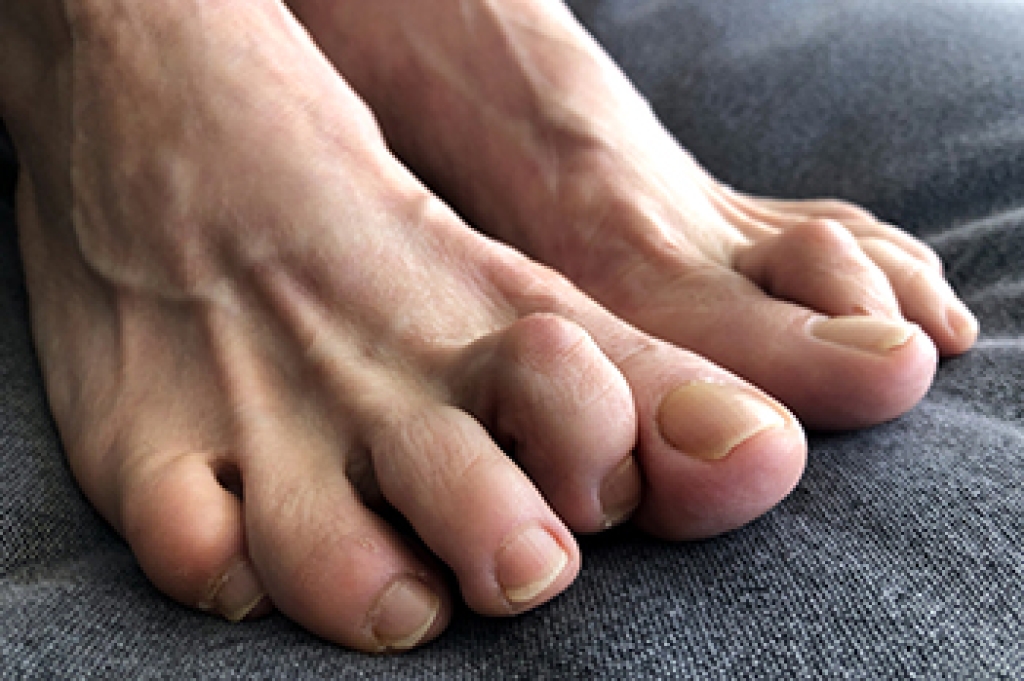
Hammertoe is a foot deformity that occurs due to an imbalance in the muscles, tendons, or ligaments that normally hold the toe straight. It can be caused by the type of shoes you wear, your foot structure, trauma, and certain disease processes.

Symptoms

  • Painful and/or difficult toe movement
  • Swelling
  • Joint stiffness
  • Calluses/Corns
  • Physical deformity

Risk Factors

  • Age – The risk of hammertoe increases with age
  • Sex – Women are more likely to have hammertoe compared to men
  • Toe Length – You are more likely to develop hammertoe if your second toe is longer than your big toe
  • Certain Diseases – Arthritis and diabetes may make you more likely to develop hammertoe

Treatment

If you have hammertoe, you should change into a more comfortable shoe that provides enough room for your toes. Exercises such as picking up marbles may strengthen and stretch your toe muscles. Nevertheless, it is important to seek assistance from a podiatrist in order to determine the severity of your hammertoe and see which treatment option will work best for you.

If you have any questions, please feel free to contact our offices located in Poulsbo and Port Townsend, WA . We offer the newest diagnostic and treatment technologies for all your foot care needs.

Read more about Hammertoe
Connect with us