
Blog

Understanding Plantar Warts and When Removal Is Needed

Plantar warts are skin growths that appear on the soles of the feet, caused by a virus that enters through small breaks in the skin. They may look like calluses, but often have small black dots and can feel tender, especially when walking. While some plantar warts resolve on their own, others can become painful, spread, or interfere with daily activities. Podiatrists evaluate the size, location, and persistence of the wart before recommending treatment. Options may include topical medications, cryotherapy, or minor procedures to remove the growth. Removal is often considered when the wart causes ongoing pain, multiplies, or does not improve with basic care. Addressing the issue promptly can also help prevent spreading to other areas. If you have a stubborn or painful spot on the bottom of your foot, it is suggested you consult a podiatrist for an accurate evaluation and effective relief tips.

Plantar warts can be very uncomfortable. If you need your feet checked, contact Dr. Kirk Sherris from Liberty Bay Foot & Ankle. Our doctor will assist you with all of your foot and ankle needs.

About Plantar Warts

Plantar warts are the result of HPV, or human papillomavirus, getting into open wounds on the feet. They are mostly found on the heels or balls of the feet.

While plantar warts are generally harmless, those experiencing excessive pain or those suffering from diabetes or a compromised immune system require immediate medical care. Plantar warts are easily diagnosed, usually through scraping off a bit of rough skin or by getting a biopsy.

Symptoms

  • Lesions on the bottom of your feet, usually rough and grainy
  • Hard or thick callused spots
  • Wart seeds, which are small clotted blood vessels that look like little black spots
  • Pain, discomfort, or tenderness of your feet when walking or standing

Treatment

  • Freezing
  • Electric tool removal
  • Laser Treatment
  • Topical Creams (prescription only)
  • Over-the-counter medications

To help prevent developing plantar warts, avoid walking barefoot over abrasive surfaces that can cause cuts or wounds for HPV to get into. Avoiding direct contact with other warts, as well as not picking or rubbing existing warts, can help prevent the further spread of plantar warts. However, if you think you have developed plantar warts, speak to your podiatrist. He or she can diagnose the warts on your feet and recommend the appropriate treatment options.

If you have any questions, please feel free to contact our offices located in Poulsbo and Port Townsend, WA . We offer the newest diagnostic and treatment technologies for all your foot care needs.
Read more about Plantar Warts

How Podiatrists Help Protect the Feet of People With Diabetes

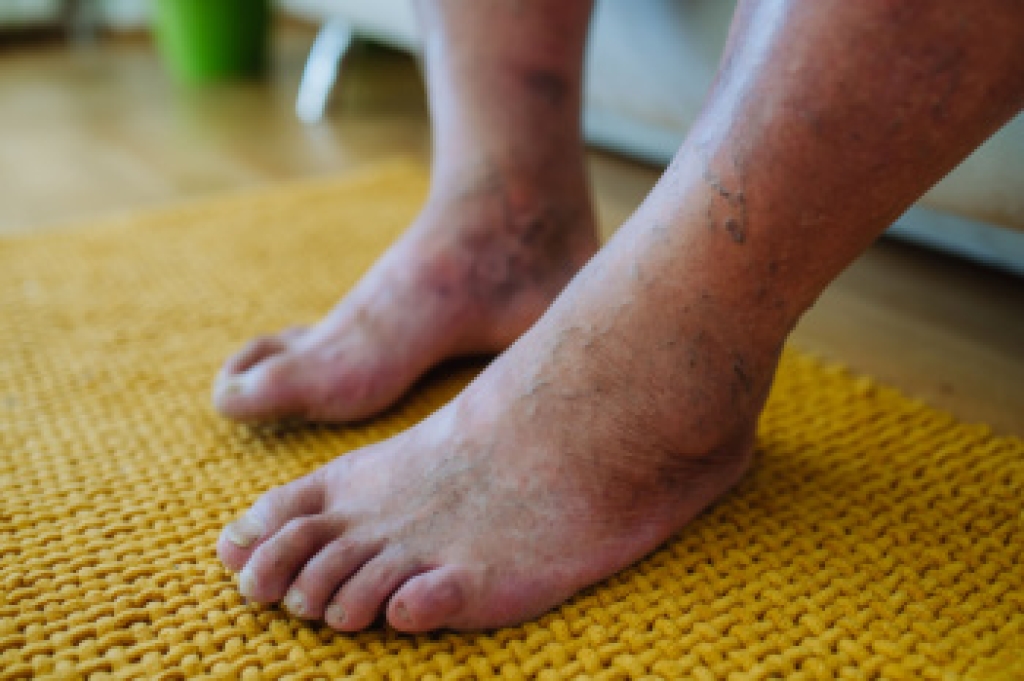
Foot problems related to diabetes can progress quickly, and without timely attention, they may threaten the health of the limb. Podiatrists are trained to spot early warning signs that others might overlook, such as subtle skin changes, areas of excess pressure, or reduced blood flow. They use advanced wound care methods, customized pressure relief strategies, and targeted treatments to encourage healing and prevent further damage. Protective footwear and specialized inserts may be recommended to reduce stress on high-risk areas. Regular checkups allow them to monitor healing progress and adjust care as needed, often working alongside other medical specialists. Through their expertise, many serious complications can be avoided, helping patients maintain mobility and independence. If you have diabetes and notice changes in your feet or ankles, it is suggested that you are under the care of a podiatrist who can help you to manage this serious condition.

Diabetic foot care is important in preventing foot ailments such as ulcers. If you are suffering from diabetes or have any other concerns about your feet, contact Dr. Kirk Sherris from Liberty Bay Foot & Ankle. Our doctor can provide the care you need to keep you pain-free and on your feet.

Diabetic Foot Care

Diabetes affects millions of people every year. The condition can damage blood vessels in many parts of the body, especially the feet. Because of this, taking care of your feet is essential if you have diabetes, and having a podiatrist help monitor your foot health is highly recommended.

The Importance of Caring for Your Feet

  • Routinely inspect your feet for bruises or sores.
  • Wear socks that fit your feet comfortably.
  • Wear comfortable shoes that provide adequate support.

Patients with diabetes should have their doctor monitor their blood levels, as blood sugar levels play such a huge role in diabetic care. Monitoring these levels on a regular basis is highly advised.

It is always best to inform your healthcare professional of any concerns you may have regarding your feet, especially for diabetic patients. Early treatment and routine foot examinations are keys to maintaining proper health, especially because severe complications can arise if proper treatment is not applied.

If you have any questions, please feel free to contact our offices located in Poulsbo and Port Townsend, WA . We offer the newest diagnostic and treatment technologies for all your foot care needs.

Read more about Diabetic Foot Care

Cracked Heels Can Disrupt Daily Movement

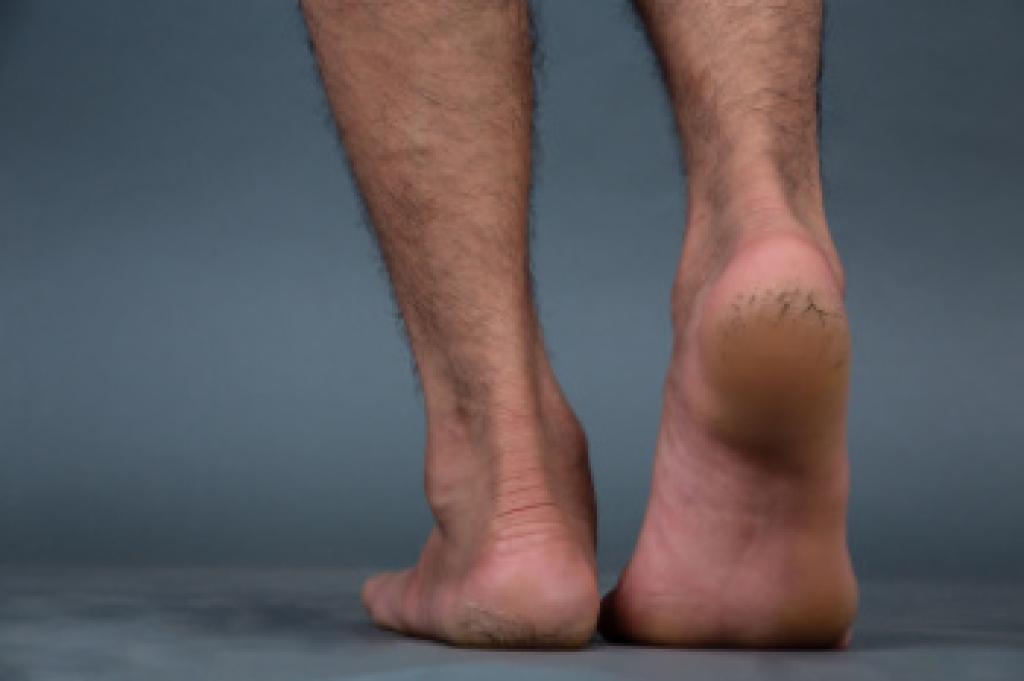
Dry, cracked heels may seem like a small issue, but they can make walking uncomfortable and even painful. As the skin on the heel thickens and splits, pressure from standing or walking can deepen the cracks. In some cases, the skin may bleed or become infected. This is especially concerning for older adults or people with circulation problems. Cracked heels are often caused by dryness, long periods of standing, wearing unsupportive footwear, or being barefoot on hard surfaces. Once the skin breaks down, each step can cause discomfort, making it harder to stay active. Moisturizing the feet regularly, using gentle exfoliation, and wearing cushioned shoes can help. If deep cracks on your heels are making it hard to walk or are showing signs of infection, it is suggested that you visit a podiatrist for appropriate care and relief.

Cracked heels are unsightly and can cause further damage to your shoes and feet. If you have any concerns, contact Dr. Kirk Sherris from Liberty Bay Foot & Ankle. Our doctor can provide the care you need to keep you pain-free and on your feet.

Cracked Heels

Cracked heels appear unappealing and can make it harder for you walk around in sandals. Aside from looking unpleasant, cracked heels can also tear stockings, socks, and wear out your shoes. There are several methods to help restore a cracked heel and prevent further damage.

How Do You Get Them?

Dry skin is the number one culprit in creating cracked heels. Many athletes, walkers, joggers, and even swimmers suffer from cracked heels. Age and skin oil production play a role to getting cracked heels as well.

Promote Healing

Over the counter medicines can help, especially for those that need instant relief or who suffer from chronic dry feet.

Wear Socks – Wearing socks with medicated creams helps lock in moisture.

Moisturizers – Applying both day and night will help alleviate dryness which causes cracking.

Pumice Stones – These exfoliate and remove dead skin, which allows for smoother moisturizer application and better absorption into the skin. 

Change in Diet

Eating healthy with a well-balanced diet will give the skin a fresh and radiant look. Your body responds to the kinds of food you ingest. Omega-3 fatty acids and zinc supplements can also revitalize skin tissue.

Most importantly, seek professional help if unsure how to proceed in treating cracked heels. A podiatrist will help you with any questions or information needed. 

If you have any questions, please feel free to contact our offices located in Poulsbo and Port Townsend, WA . We offer the newest diagnostic and treatment technologies for all your foot care needs.

Read more about Solutions for Cracked Heels

Possible Causes of Ankle Pain

Ankle pain can be more serious than a simple sprain, especially if it involves the Achilles tendon. This strong tendon connects the calf muscle to the heel and is essential for walking, running, and jumping. Injuries like tendonitis or a full rupture can result from overuse, sudden movements, or lack of proper stretching. Symptoms may include sharp pain at the back of the ankle, swelling, stiffness, or a popping sound at the time of injury. Beyond typical discomfort, you might notice difficulty pushing off the foot, a noticeable limp, or a gap in the tendon if it is torn. A podiatrist can perform a thorough exam and use imaging to diagnose the injury. They provide personalized treatment, including immobilization, targeted exercises, custom orthotics, and ,in severe cases, surgical repair. Early intervention is essential to prevent long-term weakness or re-injury. If you have ankle pain, it is suggested that you schedule an appointment with a podiatrist for an accurate diagnosis and appropriate treatment.

Ankle pain can have many different causes and the pain may potentially be serious. If you have ankle pain, consult with Dr. Kirk Sherris from Liberty Bay Foot & Ankle. Our doctor will assess your condition and provide you with quality foot and ankle treatment.

Ankle pain is any condition that causes pain in the ankle. Due to the fact that the ankle consists of tendons, muscles, bones, and ligaments, ankle pain can come from a number of different conditions.

Causes

The most common causes of ankle pain include:

  • Types of arthritis (rheumatoid, osteoarthritis, and gout)
  • Ankle sprains
  • Broken ankles
  • Achilles tendinitis
  • Achilles tendon rupture
  • Stress fractures
  • Tarsal tunnel syndrome
  • Plantar fasciitis

Symptoms

Symptoms of ankle injury vary based upon the condition. Pain may include general pain and discomfort, swelling, aching, redness, bruising, burning or stabbing sensations, and/or loss of sensation.

Diagnosis

Due to the wide variety of potential causes of ankle pain, podiatrists will utilize a number of different methods to properly diagnose ankle pain. This can include asking for personal and family medical histories and of any recent injuries. Further diagnosis may include sensation tests, a physical examination, and potentially x-rays or other imaging tests.

Treatment

Just as the range of causes varies widely, so do treatments. Some more common treatments are rest, ice packs, keeping pressure off the foot, orthotics and braces, medication for inflammation and pain, and surgery.

If you have any questions please feel free to contact our offices located in Poulsbo and Port Townsend, WA . We offer the newest diagnostic tools and technology to treat your foot and ankle needs.

Read more about Ankle Pain
Connect with us