July 2024
Tuesday, 30 July 2024 00:00
Peripheral Neuropathy and Its Impact on the Feet
 Peripheral neuropathy results from damage to the peripheral nerves, which transmit signals between the central nervous system and the rest of the body. This damage often leads to numbness, tingling, burning, and sharp pain in the feet. Diabetic neuropathy occurs in individuals with diabetes as a result of prolonged high blood sugar levels that damage the nerves. Symptoms in the feet may include a loss of sensation, making it difficult to detect injuries or a feeling of wearing tight socks when barefoot. These symptoms can significantly impact balance and mobility, increasing the risk of falls and infections. Proper management of blood sugar levels, in addition to medications and lifestyle changes, may help to alleviate symptoms of neuropathy. If you are experiencing any of the above symptoms, it is suggested that you confer with a podiatrist who can help you to manage this condition.
Neuropathy
Neuropathy can be a potentially serious condition, especially if it is left undiagnosed. If you have any concerns that you may be experiencing nerve loss in your feet, consult with Dr. Kirk Sherris from Liberty Bay Foot & Ankle. Our doctor will assess your condition and provide you with quality foot and ankle treatment for neuropathy.
What Is Neuropathy?
Neuropathy is a condition that leads to damage to the nerves in the body. Peripheral neuropathy, or neuropathy that affects your peripheral nervous system, usually occurs in the feet. Neuropathy can be triggered by a number of different causes. Such causes include diabetes, infections, cancers, disorders, and toxic substances.
Symptoms of Neuropathy Include:
- Numbness
- Sensation loss
- Prickling and tingling sensations
- Throbbing, freezing, burning pains
- Muscle weakness
Those with diabetes are at serious risk due to being unable to feel an ulcer on their feet. Diabetics usually also suffer from poor blood circulation. This can lead to the wound not healing, infections occurring, and the limb may have to be amputated.
Treatment
To treat neuropathy in the foot, podiatrists will first diagnose the cause of the neuropathy. Figuring out the underlying cause of the neuropathy will allow the podiatrist to prescribe the best treatment, whether it be caused by diabetes, toxic substance exposure, infection, etc. If the nerve has not died, then it’s possible that sensation may be able to return to the foot.
Pain medication may be issued for pain. Electrical nerve stimulation can be used to stimulate nerves. If the neuropathy is caused from pressure on the nerves, then surgery may be necessary.
If you have any questions, please feel free to contact our office located in Poulsbo, WA . We offer the newest diagnostic and treatment technologies for all your foot care needs.
Tuesday, 23 July 2024 00:00
Proper Shoes for Children’s Foot Health
 Children’s footwear plays a significant role in the development of their feet and the way they walk, known as their gait. Shoes that are ill-fitted or lack proper support may lead to many foot conditions, such as flat feet, hammertoe, or even issues with posture and balance. Investing in properly fitting shoes helps children's feet grow correctly, supports a natural gait, and aids in maintaining good body alignment. Shoes that are too tight or too loose, can lead to discomfort, or possible long-term health issues. Children’s feet are still developing, and their bones, muscles, and ligaments are not fully formed. Wearing unsupportive footwear during these stages of life can cause permanent damage and affect their ability to participate in daily activities. Quality shoes should have a flexible sole to allow natural movement, plenty of room for the toes, and good arch support to encourage proper foot mechanics. If any issues regarding your child’s foot health arise, it is suggested to visit a podiatrist for a thorough exam and appropriate treatment.
The health of a child’s feet is vital to their overall well-being. If you have any questions regarding foot health, contact Dr. Kirk Sherris of Liberty Bay Foot & Ankle. Our doctor can provide the care you need to keep you pain-free and on your feet.
Tips for Keeping Children's Feet Healthy
- Make sure their shoes fit properly
- Look for any signs of in-toeing or out-toeing
- Check to see if they have Clubfoot (condition that affects your child’s foot and ankle, twisting the heel and toes inward) which is one of the most common nonmajor birth defects.
- Lightly cover your baby’s feet (Tight covers may keep your baby from moving their feet freely, and could prevent normal development)
- Allow your toddler to go shoeless (Shoes can be restricting for a young child’s foot)
- Cut toenails straight across to avoid ingrown toenails
- Keep your child’s foot clean and dry
- Cover cuts and scrapes. Wash any scratches with soap and water and cover them with a bandage until they’ve healed.
If you have any questions, please feel free to contact our office located in Poulsbo, WA . We offer the newest diagnostic and treatment technologies for all your foot care needs.
Tuesday, 16 July 2024 00:00
Causes and Symptoms of Bruised Toenails
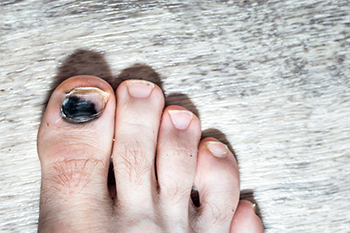
Bruised toenails, also known as subungual hematomas, typically result from trauma or injury to the toe. The sensitive nail bed can easily sustain damage from sudden impact or repetitive pressure, leading to discoloration and discomfort. Trauma, such as stubbing the toe or dropping a heavy object on it, can cause blood vessels beneath the nail to rupture. This leads to the accumulation of blood and the characteristic dark discoloration, usually dark blue or black. If left untreated, bruised toenails can lead to a spread of discoloration or even nail detachment, along with an increased risk of infection. Proper footwear, especially for runners, and caution in high-risk activities are key factors in reducing the likelihood of trauma to the toenails. Recognizing the symptoms of bruised toenails enables individuals to seek timely treatment, prevent potential complications and promote faster recovery. If you've experienced a problematic bruised toenail, it is suggested that you make an appointment with a podiatrist for treatment.
Toe pain can disrupt your daily activities. If you have any concerns, contact Dr. Kirk Sherris of Liberty Bay Foot & Ankle. Our doctor can provide the care you need to keep you pain-free and on your feet.
What Causes Toe Pain?
Most severe toe pain is caused due to a sports injury, trauma from dropping something heavy on the toe, or bumping into something rigid. Other problems can develop over time for various reasons.
Toe pain can be caused by one or more ailments. The most common include:
- Trauma
- Sports injury
- Wearing shoes that are too tight
- Arthritis
- Gout
- Corns and calluses
- Hammertoe
- Bunions
- Blisters
- Ingrown toenails
- Sprains
- Fractures (broken bones)
- Dislocations
When to See a Podiatrist
- Severe pain
- Persistent pain that lasts more than a week
- Signs of infection
- Continued swelling
- Pain that prevents walking
Diagnosis
In many cases the cause of toe pain is obvious, but in others, a podiatrist may want to use more advanced methods to determine the problem. These can range from simple visual inspections and sensation tests to X-rays and MRI scans. Prior medical history, family medical history, and any recent physical traumatic events will all be taken into consideration for a proper diagnosis.
Treatment
Treatments for toe pain and injuries vary and may include shoe inserts, padding, taping, medicines, injections, and in some cases, surgery. If you believe that you have broken a toe, please see a podiatrist as soon as possible.
If you have any questions please feel free to contact our office located in Poulsbo, WA . We offer the newest diagnostic tools and technology to treat your foot and ankle needs.
Wednesday, 10 July 2024 00:00
Are Bunions Affecting Your Everyday Life?

Have you noticed a bony protrusion on the side of your big toe? If so, you may have developed the foot condition known as a bunion. Don't let bunions interfere with your daily activities.
Tuesday, 09 July 2024 00:00
Pain From Ingrown Toenails
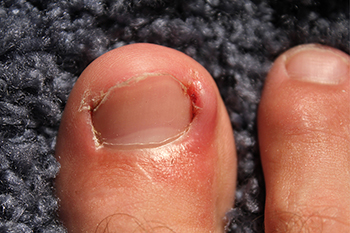
Ingrown toenails occur when the edge of a toenail grows into the surrounding skin, leading to pain, swelling, and sometimes infection. The main causes include improper nail trimming, wearing tight footwear, and trauma to the toe. To prevent ingrown toenails, it is essential to trim nails correctly. Cut toenails straight across rather than rounding the edges to avoid them growing into the skin. Additionally, keeping nails at a moderate length helps prevent pressure from shoes. The pain from ingrown toenails is due to the nail cutting into the sensitive skin, causing inflammation and sometimes infection. This pressure and irritation trigger significant discomfort, making even simple activities like walking painful. Proper nail care and wearing well-fitting shoes can reduce the risk of developing ingrown toenails and alleviate the associated pain. If you have developed an ingrown toenail, it is suggested that you consult a podiatrist who can treat this condition, which may include minor surgery.
Ingrown toenails can become painful if they are not treated properly. For more information about ingrown toenails, contact Dr. Kirk Sherris of Liberty Bay Foot & Ankle. Our doctor can provide the care you need to keep you pain-free and on your feet.
Ingrown Toenails
Ingrown toenails occur when a toenail grows sideways into the bed of the nail, causing pain, swelling, and possibly infection.
Causes
- Bacterial infections
- Improper nail cutting such as cutting it too short or not straight across
- Trauma to the toe, such as stubbing, which causes the nail to grow back irregularly
- Ill-fitting shoes that bunch the toes too close together
- Genetic predisposition
Prevention
Because ingrown toenails are not something found outside of shoe-wearing cultures, going barefoot as often as possible will decrease the likeliness of developing ingrown toenails. Wearing proper fitting shoes and using proper cutting techniques will also help decrease your risk of developing ingrown toenails.
Treatment
Ingrown toenails are a very treatable foot condition. In minor cases, soaking the affected area in salt or antibacterial soaps will not only help with the ingrown nail itself, but also help prevent any infections from occurring. In more severe cases, surgery is an option. In either case, speaking to your podiatrist about this condition will help you get a better understanding of specific treatment options that are right for you.
If you have any questions please feel free to contact our office located in Poulsbo, WA . We offer the newest diagnostic and treatment technologies for all your foot and ankle needs.
Tuesday, 02 July 2024 00:00
Minimally Invasive Surgery for Heel Spurs
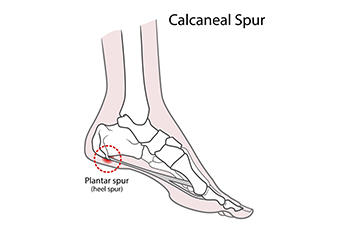 Heel spurs are bony growths that develop on the underside of the heel bone, often causing heel pain. They form when calcium deposits build up over time, usually due to strain on foot muscles and ligaments, stretching of the plantar fascia, or repeated tearing of the membrane that covers the heel bone. People most at risk include those with flat feet or high arches, athletes who engage in a lot of running and jumping, and individuals who are overweight or wear poorly fitted shoes. Symptoms of heel spurs include sharp pain in the heel, especially while standing up in the morning or after sitting for a long time, and a feeling of a small, hard lump under the heel. Treatment generally involves rest, wearing orthotic inserts, gentle exercises, and taking anti-inflammatory medications. However, for persistent pain, a minimally invasive procedure called a percutaneous plantar fasciotomy, which involves releasing tension in the fascia can be an alternative to surgically removing the spur. If you think you have a heel spur, it is suggested that you schedule an appointment with a podiatrist for a proper diagnosis and treatment plan that is right for you.
Foot surgery is sometimes necessary to treat a foot ailment. To learn more, contact Dr. Kirk Sherris of Liberty Bay Foot & Ankle. Our doctor will assist you with all of your foot and ankle needs.
When Is Surgery Necessary?
Foot and ankle surgery is generally reserved for cases in which less invasive, conservative procedures have failed to alleviate the problem. Some of the cases in which surgery may be necessary include:
- Removing foot deformities like bunions and bone spurs
- Severe arthritis that has caused bone issues
- Cosmetic reconstruction
What Types of Surgery Are There?
The type of surgery you receive will depend on the nature of the problem you have. Some of the possible surgeries include:
- Bunionectomy for painful bunions
- Surgical fusion for realignment of bones
- Neuropathy decompression surgery to treat nerve damage
Benefits of Surgery
Although surgery is usually a last resort, it can provide more complete pain relief compared to non-surgical methods and may allow you to finally resume full activity.
Surgical techniques have also become increasingly sophisticated. Techniques like endoscopic surgery allow for smaller incisions and faster recovery times.
If you have any questions please feel free to contact our office located in Poulsbo, WA . We offer the newest diagnostic and treatment technologies for all your foot and ankle needs.